
Boiler Repair in Penarth
Boiler not heating properly, losing pressure, leaking or giving unreliable hot water? Let’s Heat provides boiler fault diagnosis and repair across Penarth and surrounding areas with Gas Safe registered engineers.





Annual Boiler Service
Stay on top of annual servicing. Regular servicing can help meet manufacturer servicing requirements and keep your boiler properly maintained.
Boiler Repair
No heating, no hot water, or a boiler fault code? We’ll diagnose the problem and explain the repair options clearly.
Loved by homeowners
Don't just take our word for it
Real feedback from customers who have used Let’s Heat for heating and cooling services.

Boiler support for every stage
Get help with a boiler fault
Arrange professional fault diagnosis when your boiler stops working properly or your heating and hot water are affected.



Gas Safe registered engineers
Boiler installation, servicing and repairs carried out by Gas Safe registered engineers.
Warranty and aftercare
Clear handover, warranty information and support after your new boiler installation.
Flexible boiler finance
Spread the cost of your new boiler with available finance options, subject to status and lender approval.
Rated by our customers
Read verified customer feedback across our independent review platforms.
Is it time to replace your old boiler?
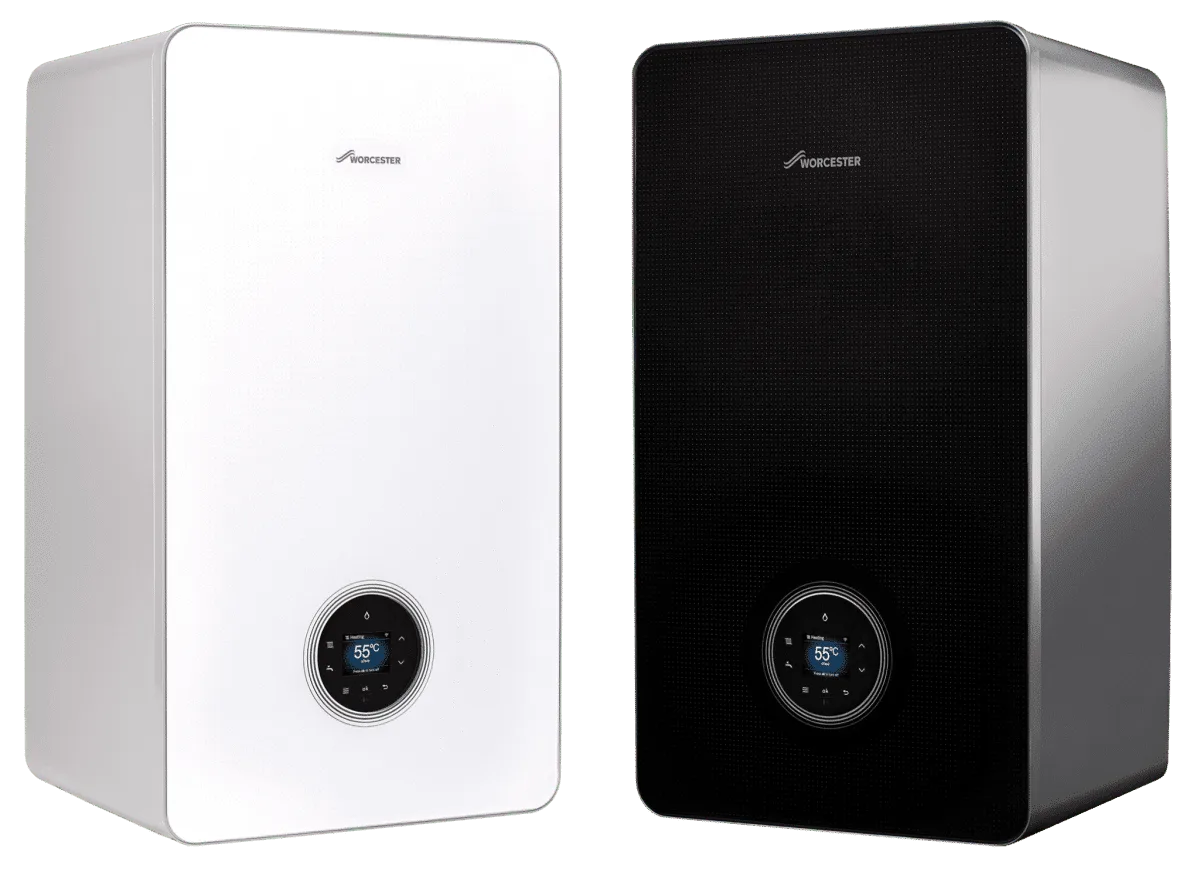
Explore modern boiler options for your home and get straightforward guidance on boiler type, size, controls and installation.
Worcester Bosch
Vaillant
Baxi
Ideal
Viessmann
Boiler Repairs Across South Wales & Bristol
Let’s Heat provides boiler repairs and fault diagnosis across Cardiff, Newport, Bristol and surrounding South Wales and South West areas. Check availability for your postcode when booking.
How to Report an Issue
If you have a problem with your boiler, heating, gas or air conditioning, you can report the issue using one of the options below.
Call Us
Speak to our team about the issue and tell us what is happening. We can then advise you on the next step or arrange an appointment where appropriate.
Email Us
Send us details of the issue, including any fault codes or useful information about the appliance or system.
Report an Issue Online
Complete our online form with a few details about the problem, your property and the service you need.
Boiler help & advice
Expert guides and advice to help you make informed decisions.
-

Baxi Boiler Prices & Fitted Costs: Complete 2026 Guide
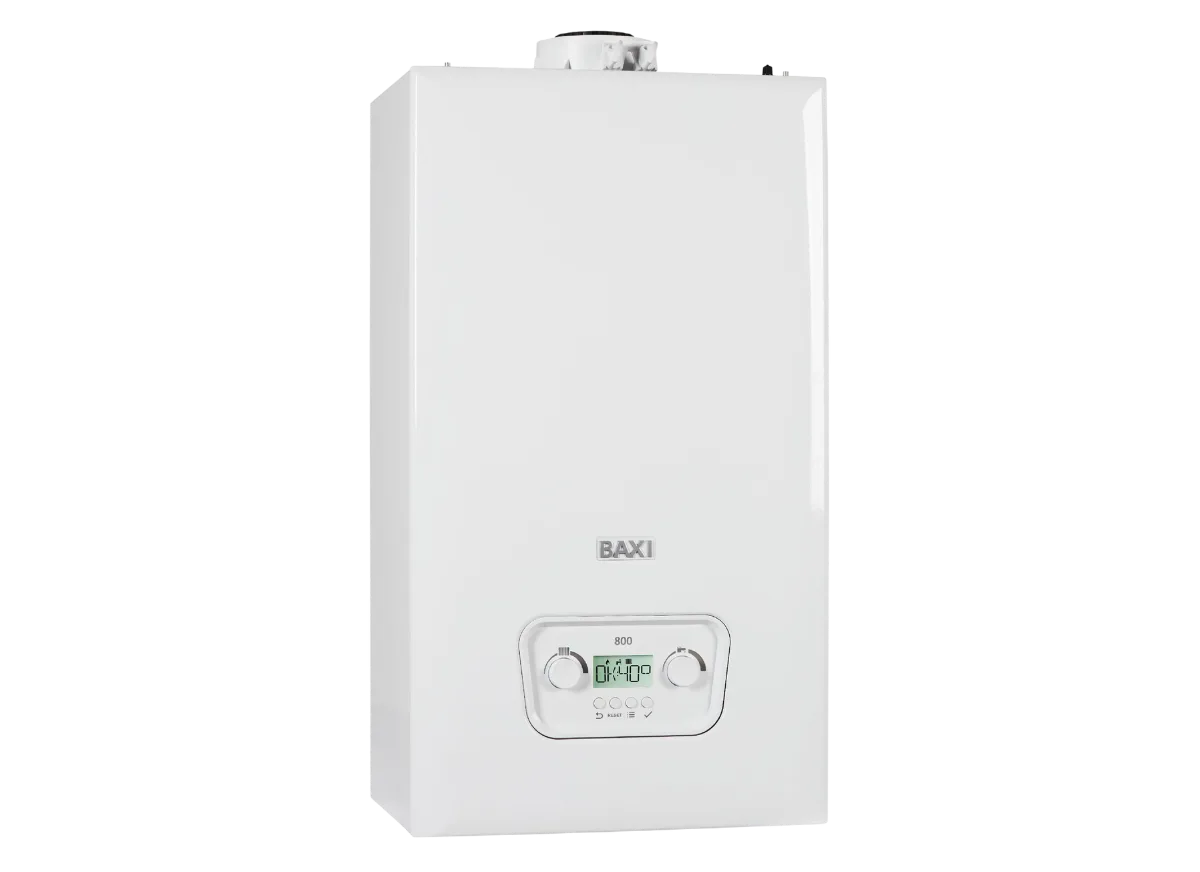
If you are planning to replace your heating system, understanding Baxi boiler prices and installation costs is essential before booking an engineer. Baxi is one of the most established British manufacturing brands, offering reliable combi, system, and regular boilers designed to suit various property types and budgets.Quick Answer: Baxi boiler prices at Let’s Heat start from £1,850 fully fitted for the Baxi 424 Combi 24kW (including a 5-year warranty), while general combi replacement packages start from £1,799 fully fitted. Final costs depend on your property layout, flue requirements, and heating output.The prices in this guide are Let’s Heat starting prices checked on 30 September 2026. They are not fixed quotations. The Baxi 424 is the only Baxi model with a model-specific fitted price listed in the current Let’s Heat price reference. We have not added prices from boiler retailers or other installers.Baxi Boiler Prices: Let’s Heat Starting CostsBoiler or package Let’s Heat starting price What the price meansEssential Combi package From £1,799 fully fitted A starting price for a suitable, straightforward like-for-like combi replacement. It is not a fixed price for every Baxi model.Baxi 424 Combi 24kW From £1,850 fitted Model-specific Let’s Heat starting price. The current product reference lists a five-year warranty.Smart Combi package From £2,350 fully fitted Includes the Essential Combi package elements plus smart heating controls.System Boiler Upgrade package From £2,999 fully fitted A starting price for a suitable system-boiler upgrade. The final scope depends on the home and existing system.Get a Free Baxi Boiler Quote When comparing Baxi boiler prices, check whether a figure is a model-specific fitted price or a general package starting price. In this guide, only the Baxi 424 has a model-specific fitted price in Let’s Heat’s current reference. These are starting prices, not a promise that every installation can be completed for the amount shown. Your written quotation should confirm the selected boiler, the work included and any additional costs that may apply.Baxi Combi Boiler Prices A combi boiler provides heating and hot water from one appliance and does not normally need a separate hot-water cylinder. The Baxi 424 Combi 24kW is currently listed by Let’s Heat from £1,850 fitted. Whether this model suits your home depends on factors such as your heating demand, hot-water use, incoming water supply and existing system. The Essential Combi package starts from £1,799 fully fitted. This is a general package price; it should not be read as the fixed price of the Baxi 424 or every other Baxi combi model. Ask for a property-specific quotation to confirm the recommended model and final price.Spreading the Cost of Your New Baxi Boiler A new boiler is an essential investment for your home, but it doesn't have to strain your monthly budget upfront. If you prefer not to pay the full amount immediately, flexible payment options can help make installation much more manageable. You can spread the cost over comfortable monthly installments through a dedicated boiler finance plan, subject to eligibility. This allows you to secure a reliable heating system right away while paying for it over time.How Much Does a Baxi 30kW Boiler Cost? There is no model-specific fitted price for a Baxi 30kW boiler in the current Let’s Heat price reference, so this guide does not give an estimated 30kW price. A 30kW output alone is not enough to choose a boiler: the right model and price depend on the property, heating system, hot-water needs and installation work. Let’s Heat can confirm the suitable option and fitted quotation after reviewing your requirements.What Is Included in the Fitted Price? The contents of a fitted quotation depend on the selected boiler and package. The current Let’s Heat Essential Combi package description includes: • A new combi boiler and standard flue • A magnetic system filter • A chemical system flush and corrosion inhibitor • Boiler controls • Removal of the old boiler • The first annual boiler service The Smart Combi package includes the Essential package elements, plus a smart thermostat, app control, heating schedules and controls set-up. The System Boiler Upgrade package includes a new system boiler, smart controls, a magnetic filter, system flush, inhibitor, commissioning, warranty registration and the first annual service. Check that your own quotation confirms the exact inclusions for the selected Baxi boiler. Extra work may be needed if the boiler is being moved, the heating system is being converted, the flue or pipework needs changes, or the property requires other installation work.What Affects Baxi Boiler Prices? The total cost is based on more than the boiler itself. The final price can depend on: • Whether the new boiler is replacing a similar one in the same position or changing the type of system • The Baxi model and output selected • The condition and layout of the existing pipework and heating system • The flue position and any changes required • The controls and other components included in the chosen package • Whether the boiler needs to be relocated or additional work is needed A like-for-like replacement may have a different scope from converting a system, moving a boiler or changing pipework. The installer should assess the property and explain the proposed work before you accept a quotation. There is no single plumber’s labour charge that applies to every new boiler installation. Let’s Heat’s public prices in this guide are fitted package starting prices, not a separate labour-only tariff. Ask for a written quote that distinguishes the boiler, installation work, included parts and any possible extras.How to Choose the Right Baxi Boiler Baxi makes combi, system, heat-only and electric boilers. The most suitable type depends on the existing heating arrangement and the household’s heating and hot-water requirements. Baxi’s official boiler range explains the broad differences between its boiler types. A combi may suit a home where an on-demand supply of heating and hot water is appropriate and space is limited. A system or heat-only boiler works with a hot-water cylinder and may be more suitable for a home with a different system layout or hot-water demand. These are general distinctions, not a recommendation for a particular property. Boiler output should not be selected by bedroom count alone. Ask the installer to consider the home’s heating needs, hot-water use, existing system and installation requirements before recommending a model.[caption id="attachment_1840" align="alignnone" width="300"] Baxi Boiler Prices[/caption] Are Baxi Boilers Any Good? Baxi offers several boiler types and model ranges, so the best choice depends on the individual home rather than the brand name alone. When comparing models, check whether the boiler is suitable for your system, what the fitted quotation includes and the exact warranty terms that apply to the selected model. The Let’s Heat price reference lists a five-year warranty for the Baxi 424 Combi 24kW. Warranty periods and conditions can vary by model and package, so confirm the applicable warranty, registration requirements and servicing terms before installation. Gas boiler installation should be carried out by appropriately qualified Gas Safe registered engineers. Let’s Heat’s Gas Safe registration number is 977042; you can check registration through the Gas Safe Register.How Long Does a Baxi Boiler Last? Baxi says a boiler should last around 10 to 15 years if it is looked after and serviced annually. This is general guidance, not a guaranteed lifespan for a particular Baxi model. The condition of the appliance and heating system, maintenance and use can all matter. See Baxi’s advice on how long a boiler lasts, and check the service requirements for your specific warranty.Baxi Boiler Problems: When to Arrange a Repair A boiler that keeps losing pressure, makes unusual noises, provides slow or insufficient hot water, or breaks down repeatedly may need checking. These symptoms do not identify the cause on their own. Do not attempt gas repairs yourself; contact a suitably qualified engineer to diagnose the problem. A fault does not automatically mean the boiler needs replacing. The engineer can assess the appliance, its age and condition, and whether repair or replacement is appropriate. If you need help with an existing fault, see Let’s Heat’s professional boiler repair service. Repair and fault-diagnosis prices start from £120; parts and any additional work may change the final cost.Buying a Baxi Boiler: Supply-Only or Fitted? This guide focuses on Let’s Heat fitted boiler prices and installation packages, not standalone retail prices. If you are searching for a Baxi boiler for sale, check whether the price is supply-only or includes installation, the flue, controls, system work, removal of the old boiler and commissioning.Baxi Boiler Installation in Cardiff, Newport and Nearby Areas Let’s Heat provides boiler installation and replacement across Cardiff, Newport, Barry, Penarth, Bristol and selected surrounding areas. Coverage depends on your full postcode, appointment availability and the work required. See the local pages for boiler installation in Cardiff, boiler installation in Newport, Barry, Penarth and Bristol, or check the wider areas we cover. For information about the installation process, visit our boiler installation page. If you are weighing up replacement costs, see our boiler replacement cost guide. Enter your postcode or contact the team to confirm current availability and request a quotation for your home.Frequently Asked Questions How much does it cost to install a Baxi combi boiler? Baxi boiler prices for a fitted combi start from £1,850 for the Baxi 424 Combi 24kW, which has a five-year warranty. The Essential Combi package starts from £1,799; the final price depends on the model, property and work required.How much do plumbers charge to fit a new boiler? Let’s Heat does not list a separate labour-only charge. Its fully fitted packages start from £1,799 for Essential Combi; your written quote should confirm the boiler, installation and any additional work.Are Baxi boilers any good? Baxi offers combi, system, heat-only and electric boilers. A model is right for you only if it suits your home’s heating system and hot-water needs; confirm its warranty and installation scope before choosing.What is the lifespan of a Baxi boiler? Baxi says a boiler may last 10 to 15 years with proper care and annual servicing. This is guidance, not a guaranteed lifespan.What are common Baxi boiler problems? Pressure loss, unusual noises, slow-heating radiators, insufficient hot water or repeated breakdowns warrant an inspection. These symptoms do not identify the fault; ask a qualified engineer to diagnose it.Can I get a fitted quote for a Baxi 30kW boiler? The current Let’s Heat price reference does not list a model-specific fitted price for a Baxi 30kW boiler. Contact the team for a quotation based on the exact model, property and installation requirements.Does the Baxi 424 price include installation? Yes. Let’s Heat lists the Baxi 424 Combi 24kW from £1,850 fitted. Confirm the final price and exact work included for your property.Get a Baxi Boiler Quote Visit the Let’s Heat homepage to explore boiler services, or call 0330 174 6700 to discuss a Baxi boiler quote. Price and appointment availability depend on your postcode, the selected boiler and the work required. Get a Free Baxi Boiler Quote
-

Alpha Boilers Review & Fitted Prices (2026): Models, Costs & Warranty
Alpha boilers are a popular choice for UK homeowners considering an Alpha combi boiler, as an affordable, reliable way to heat your home and provide hot water on demand. Alpha boilers are often considered by homeowners comparing installation costs, warranties, performance and alternatives from brands such as Worcester Bosch and Vaillant.But are Alpha combi boilers any good? How much do they cost, how long should they last, and what should you check before buying one? In this guide, we explain the main Alpha combi boiler ranges, indicative prices, warranty considerations, common problems and how Alpha compares with other popular boiler brands in the UK. Quick Answer: At Let’s Heat, Alpha boilers cost from £1,795 fully fitted, including the boiler and standard Gas Safe installation. Leading models like the Alpha E-Tec NX, E-Tec Plus, and Alpha Evoke feature A-rated efficiency, stainless steel heat exchangers, and warranties from 7 to 13 years. Are Alpha Combi Boilers Any Good? Alpha combi boilers are worth considering if you want to compare the cost of a new boiler with the features offered by other manufacturers. However, the right choice depends on more than the initial price. Before choosing an Alpha model, consider:Purchase and installation cost: Compare the total fitted price, not just the boiler-only price. Hot-water performance: Check the model’s output and flow rate against your household’s needs. Heating requirements: The boiler must be correctly sized for your property and heating system. Warranty terms: Check the warranty length, registration requirements and servicing conditions. Reliability and support: Consider independent reviews, access to replacement parts and local engineer availability. Installation quality: Correct sizing, commissioning and system cleaning can affect long-term performance.Alpha may suit homeowners who are comparing more budget-conscious options, but it is important to compare the specific model and its warranty rather than assuming every boiler in a brand’s range offers the same performance. For a broader comparison, read our guide to the best combi boiler brands in the UK or compare budget-friendly models in our affordable combi boilers guide Who Makes Alpha Boilers? Alpha Heating Innovation is the UK-facing boiler brand associated with the Immergas group, an international heating manufacturer. The company supplies heating products for residential properties, including gas boilers and related heating equipment. However, manufacturing locations can vary by product and model, so it is best to check the documentation for the exact boiler rather than assuming every Alpha boiler is manufactured in the same country. For current product specifications and official manufacturer information, visit the Alpha Heating Innovation website. Which Alpha Combi Boilers Should You Compare? Alpha has offered several combi boiler ranges over time. Model names, specifications and availability can change, so check the current manufacturer documentation before making a purchase. Alpha E-Tec NX Combi Boiler The Alpha E-Tec NX range is one option to investigate when comparing combi boilers for domestic heating and hot water. Available in 28kW & 33kW outputs, with hot water flow rates of 12.1–14.1 L/min and a 7-year warranty. Before choosing a particular model, check:The available output sizes. The manufacturer’s stated hot-water flow rate. Dimensions and installation clearances. Controls and compatibility with your existing heating system. The warranty available for that exact model. The total fitted price and what it includes.A lower initial price does not automatically make a boiler the most cost-effective choice. The final decision should account for the installation, warranty and suitability for your home. Alpha E-Tec Plus NX Combi Boiler The E-Tec Plus NX range is another model family to compare where available. Available in 28kW, 33kW & 38kW outputs, delivering up to 15.9 L/min flow rate, with a 10-year warranty (extendable up to 13 years with PremierPack). Pay particular attention to output, hot-water performance, controls, dimensions and warranty terms. Do not assume that specifications or warranty periods are identical across the E-Tec range. Alpha Evoke Range The Evoke name has also appeared in Alpha boiler product information. Available in 28kW & 32kW outputs and backed by a 9-year warranty, current availability and specifications should be verified before treating a particular Evoke model as a purchase option. If you are considering an Evoke boiler, confirm that the model is currently supported, that the correct documentation is available and that a suitable installer can source and fit it. Important: Always compare the exact model numbers. Similar product names do not necessarily mean the boilers have identical specifications, warranties or installation requirements. Alpha Combi Boiler Prices: How Much Do They Cost? The total cost of an Alpha combi boiler depends on the model, installation complexity and what is included in the package. Indicative Alpha Boiler Starting Price Boiler-only units range from £750 to £1,250, and Let’s Heat standard fully fitted prices start from £1,795 to £2,350 (including Gas Safe installation, standard flue, chemical flush, and magnetic filter). This figure is provisional and should not be treated as a confirmed current quote or a guaranteed price from Let’s Heat. Before committing to a purchase, confirm the model, current availability, installation cost and package inclusions. Your final quote may vary if the installation requires additional pipework, changes to the flue, system upgrades or other work. What Can Affect the Fitted Price? When comparing quotes, check whether the price includes:The boiler and standard flue components. Installation labour. Removal and disposal of the old boiler. A magnetic system filter, where specified. System cleaning and corrosion inhibitor. Controls and any necessary installation materials. Commissioning and handover. Warranty registration and any included servicing.Not every package includes all these items. Ask for an itemised quote so you can compare like-for-like offers. Get a Free Boiler Quote For a wider overview of installation costs, see our guide to new boiler costs in the UK. If you are replacing an existing boiler, our boiler replacement cost guide explains other factors that can affect the final price. Is an Alpha Boiler Cheap to Run? The initial purchase price is only one part of the overall cost of owning a boiler. Running costs depend on your home’s heat demand, insulation, heating controls, hot-water use, boiler condition and how the system is operated. A correctly sized and commissioned boiler, combined with suitable controls, can help you manage energy use. Compare the efficiency information published for the exact models you are considering. Avoid assuming that a cheaper boiler will always cost less to run over its lifetime. For general guidance on improving heating efficiency, visit the Energy Saving Trust’s boiler advice. Alpha Boiler Warranty: How Long Is the Guarantee? Alpha warranty terms vary by model, offer and installation conditions. Do not assume that every Alpha boiler automatically comes with the same length of warranty. Before buying, confirm the following in writing:The warranty period for the exact model. Whether the boiler must be registered within a specified period. Whether installation must be completed by an appropriately qualified engineer. Whether annual servicing is required to maintain the warranty. Which components and labour costs are covered. Whether any conditions apply to system filters, water quality or installation materials.A longer warranty can provide additional peace of mind, but only if you understand the conditions attached to it. Read our guide on how to avoid invalidating your boiler warranty, and always check the latest terms supplied by the manufacturer. Alpha Boilers vs Worcester Bosch: Which Should You Choose? Alpha and Worcester Bosch are both names homeowners may encounter when researching gas boilers. However, a meaningful comparison requires looking at specific models rather than judging either brand by name alone.FactorAlpha combi boilersWorcester Bosch combi boilersInitial priceFrom £1,795From £2,195+Model choiceE-Tec NX, E-Tec Plus, EvokeGreenstar 2000, 4000, 8000+Warranty7–13 years7–12 yearsHot-water performance12.1–15.9 L/min10.0–17.9+ L/minInstallation requirementsMust be assessed for the property and existing systemMust be assessed for the property and existing systemReliabilityStainless steel heat exchanger & solid valueAluminium silicon & quiet operationAftercareUK parts & Immergas supportNationwide engineer networkThere is no single answer that applies to every household. The most suitable boiler depends on your budget, property, hot-water demand, installation requirements and the warranty available at the time of purchase. For more comparisons, visit our guide to the best combi boiler brands. What Do Independent Reviews Say About Alpha Boilers? Independent reviews can help you understand customer experiences, but it is important to check the date, sample size and scoring method. In its Alpha boiler review published in September 2025, Which? reported an average customer rating of three stars for Alpha. Its brand assessment also considers other factors, including engineer opinions and reliability research, so the customer rating should not be treated as the complete picture of every Alpha model. Read the Which? Alpha boilers review and compare its findings with the current specifications and warranty for the model you are considering. Common Alpha Boiler Problems Like other gas boilers, Alpha boilers can develop faults as components wear, system pressure changes or heating-system issues arise. The cause cannot always be identified from the symptom alone. Potential issues to investigate include:Low boiler pressure: A pressure drop may stop the boiler from operating correctly. Repeated pressure loss needs professional investigation. Ignition or flame faults: These may prevent the boiler from starting or maintaining operation. Hot-water temperature problems: Inconsistent hot water can have several possible causes, including system or component faults. Leaks or unusual noises: These should be assessed, especially if they are new or persistent. Fault codes on the display: A displayed code can help identify the type of problem, but it does not always confirm the failed component.If your boiler displays an error code, use the documentation for your exact model and consult our Alpha boiler fault codes guide. Do not remove the boiler casing, attempt gas repairs or work on internal components yourself. If you smell gas, follow the relevant emergency gas-safety guidance and contact the appropriate emergency service. For other faults, arrange an assessment by a suitably qualified heating engineer. A fault that appears minor may have an underlying cause that needs attention. How Long Should an Alpha Boiler Last? A modern gas boiler is often expected to last around 10–15 years, although this is a general estimate for boilers rather than a guaranteed lifespan for Alpha models. Actual lifespan depends on several factors, including:Installation quality and commissioning. The condition of the heating system. Frequency of use and heating demand. Regular servicing and timely repairs. Water quality and protection against corrosion. Availability of parts and manufacturer support.An older boiler is not automatically ready for replacement. However, repeated breakdowns, rising repair costs, poor performance or difficulty sourcing parts may make replacement worth considering. Our guide to how long a boiler should last explains the main factors in more detail. If you are unsure whether to repair your existing boiler or replace it, read repair or replace a boiler. Is an Alpha Combi Boiler Suitable for Your Home? A combi boiler heats water on demand and generally does not need a separate hot-water cylinder. It may be suitable for homes where space is limited and hot-water demand can be met by a single appliance. However, a combi boiler is not automatically the right option for every property. Before choosing one, consider:How many bathrooms and hot-water outlets your home has. Whether several showers or taps are likely to be used at the same time. The available gas supply and required boiler output. The location of the boiler and flue. The condition and layout of the existing heating system. Whether your property would be better suited to a system or regular boiler.If you are changing from a regular boiler to a combi, additional work may be needed to remove the hot-water cylinder and adapt the system. Read our guide to replacing a regular boiler with a combi boiler. A qualified installer should assess your property before recommending a model or confirming the installation price. Can You Get Finance for a New Boiler? Finance may be available for some boiler installations, subject to eligibility, status, lender approval and the terms offered at the time of application. Before choosing a finance option, check the deposit, repayment period, interest rate, total amount payable and any applicable fees. Do not assume that a finance plan is interest-free unless the specific offer confirms this in writing. You can read more about the options on our boiler finance page. Should You Buy an Alpha Boiler? An Alpha combi boiler may be worth considering if its price, specification and warranty meet your needs. However, the decision should be based on the exact model, the full fitted cost, independent evidence and the support available after installation. Before making a decision, compare at least two or three detailed quotes, check the manufacturer’s current warranty terms and confirm that the proposed boiler is suitable for your property. You should also verify the installer’s credentials. In the UK, gas boiler installation must be carried out by an appropriately qualified Gas Safe registered engineer. You can check an engineer or business through the Gas Safe Register. Get Advice on Your Next Boiler Choosing a new boiler involves more than comparing headline prices. The right recommendation should take account of your property, heating demand, hot-water requirements, installation conditions and budget. Let’s Heat provides fixed-price boiler installation across South Wales and the South West, including boiler installation in Cardiff, boiler installation in Newport, and Bristol Visit our boiler installation page to learn more about the installation service, or explore our new boiler options. Call Let’s Heat on 0330 174 6700 to discuss your requirements and request a quote. Get a Free Boiler Quote Frequently Asked Questions About Alpha Boilers Who makes Alpha boilers? Alpha Heating Innovation is the UK-facing boiler brand associated with the Immergas group. Check the official manufacturer website for current product and company information. What is the starting price of an Alpha combi boiler? From £1,795 fully fitted at Let’s Heat. The final fitted price depends on the exact model, installation requirements and included work. What are the most common Alpha boiler problems? Possible issues include pressure loss, ignition faults, inconsistent hot water, leaks, unusual noises and error codes. These symptoms can have different causes, so persistent faults should be checked by a qualified heating engineer. How long does an Alpha boiler last? Around 10–15 years is a general estimate for a modern gas boiler, not a guaranteed Alpha-specific lifespan. Maintenance, installation quality, usage and system condition can all affect longevity. What is the most reliable boiler in the UK? There is no single boiler brand or model that is guaranteed to be the most reliable for every home. Compare independent reliability research, the exact model’s specifications, warranty terms and the quality of the proposed installation. How long is an Alpha boiler warranty? The warranty depends on the exact model and offer. Confirm the period, registration requirements, servicing conditions and exclusions with the manufacturer or supplier before purchasing. Where are Alpha boilers made? Manufacturing location can vary by product. Check the documentation or ask the manufacturer about the country of manufacture for the exact model rather than assuming all Alpha boilers are made in one country. Where can I find an Alpha boiler manual? Start with the official Alpha Heating Innovation website and look for documentation for your exact model. The model name and product reference will help you find the correct manual. Can Let’s Heat install an Alpha boiler? Yes, Let’s Heat’s Gas Safe registered engineers supply and install Alpha boilers across Cardiff, Newport, Bristol, and surrounding areas with fixed, fully fitted prices.
-

Affordable Combi Boilers in the UK
Finding an affordable combi boiler in the UK is about more than choosing the cheapest appliance. A good-value boiler should provide reliable heating, meet your household's hot-water needs and come with suitable manufacturer support.Whether you are replacing an existing combi boiler or changing from a different heating system, comparing fully fitted prices, warranty terms and installation requirements will help you make an informed decision.Quick answer: At Let’s Heat, affordable combi boiler replacement packages start from £1,799 fully fitted for qualifying installations. The final cost depends on the boiler you choose, your existing heating system and any additional work required.This guide compares affordable combi boilers from Alpha, Worcester Bosch, Baxi and Vaillant, explains installation costs and helps you identify value for money.Get a Free Boiler Quote How Much Does an Affordable Combi Boiler Cost in the UK? Affordable combi boiler installation at Let’s Heat starts from £1,799 fully fitted for a qualifying Essential Combi replacement. The Smart Combi package starts from £2,350 fully fitted.For homeowners comparing individual models, advertised fitted prices include:Baxi 424 Combi: from £1,850, with a five-year manufacturer warranty. Worcester Bosch Greenstar 4000 25kW: from £2,399, with a guarantee of up to 10 years. Vaillant ecoTEC plus 825: from £2,699, with warranty cover of up to 10 years.These are starting prices, not fixed quotations for every home. Boiler size, flue requirements, pipework alterations and the complexity of the installation can affect the final amount.For a more detailed breakdown, read our new boiler cost guide. Combi Boiler Prices: Boiler Only vs Fully Fitted When comparing affordable combi boiler prices, it is important to distinguish between buying the appliance alone and arranging a complete installation.A boiler-only price normally covers the appliance but does not usually include professional fitting, flue components, heating controls or alterations to existing pipework.A fully fitted price includes the boiler and the installation work specified in your quotation.Cost consideration Boiler only Fully fittedBoiler appliance Included IncludedInstallation labour Separate Included within agreed scopeFlue components Usually separate As specifiedHeating controls May be separate Package-dependentSystem filter and cleaning Separate Package-dependentCommissioning Separate IncludedWarranty or guarantee Subject to product terms Subject to product and installation termsA straightforward combi-for-combi replacement in the same suitable location will generally cost less than relocating a boiler or converting from a different heating system. What Can Increase the Fitted Price? Common factors affecting installation costs include:Moving the boiler to a different location Converting from a regular or system boiler Upgrading unsuitable gas pipework Changing the flue arrangement Installing additional heating controls Carrying out extra cleaning or remedial workAlways compare complete quotations rather than focusing on the appliance price alone.Explore our boiler installation services for more information. Affordable Combi Boilers by Price and Budget The best affordable combi boiler is not necessarily the cheapest model. Your aim should be to choose a suitable appliance at a reasonable fully fitted price, with clear warranty terms and manageable maintenance requirements.The following options are worth comparing across different budgets. Budget Combi Boiler Price ComparisonBoiler model Price consideration Starting fitted price Warranty or guaranteeBaxi 424 Combi Lower upfront cost £1,850 5 yearsWorcester Bosch Greenstar 4000 25kW Mid-range option £2,399 Up to 10 yearsVaillant ecoTEC plus 825 Higher initial investment £2,699 Up to 10 yearsAlpha E-Tec NX Value-focused alternative Quote required Confirm for exact modelWorcester Bosch Greenstar 2000 Entry-level brand option Quote required Confirm for exact modelAdvertised prices are starting points. The final cost and suitability of each boiler must be confirmed for your property.For a broader comparison of heating performance, specifications and features, read our best combi boilers in the UK guide. Baxi 424 Combi – A Budget-Friendly Option The Baxi 424 may suit homeowners looking to control their initial replacement costs.The 24kW model has an advertised hot-water flow rate of approximately 9.8 litres per minute and a five-year manufacturer warranty.It can be worth considering for a smaller property with modest hot-water requirements, provided the incoming mains supply and heating demand are suitable.Its lower starting price makes it a useful benchmark when comparing fully fitted quotes. Worcester Bosch Greenstar 2000 – An Entry-Level Alternative The Worcester Bosch Greenstar 2000 is an option for homeowners seeking a recognised brand without automatically choosing a higher-priced model.When comparing it with other budget boilers, check its current fitted price, output options and applicable manufacturer guarantee.The best value will depend on the complete installation quotation, not the manufacturer name alone. Worcester Bosch Greenstar 4000 – Is It Worth the Extra Cost? The Worcester Bosch Greenstar 4000 is worth comparing with cheaper models if you are considering a longer guarantee option and additional features.The advertised 25kW model has a hot-water flow rate of approximately 10.2 litres per minute.Before paying more, consider whether the differences in warranty cover, controls and manufacturer support are important to your household.A higher-priced boiler can offer good value, but only if it is suitable for your property and budget. Vaillant ecoTEC plus 825 – A Higher-Priced Alternative The Vaillant ecoTEC plus 825 is another option for homeowners comparing established manufacturers.The advertised 25kW model has a hot-water flow rate of approximately 10.5 litres per minute.Its higher starting fitted price means it may not be the first choice for a strict budget. However, some buyers may consider the additional investment worthwhile depending on their preferred features and warranty terms. Alpha Combi Boilers: Affordable Models Compared Alpha has offered competitively priced combi boilers for homeowners exploring alternatives to higher-priced brands.Two models featured in our earlier affordable boiler recommendations are the Alpha E-Tec NX and Alpha Evoke. Alpha E-Tec NX Combi Boiler The Alpha E-Tec NX is worth considering when comparing value-focused combi boilers.The range has featured compact designs and stainless steel heat-exchanger technology.Before choosing this model, confirm current availability, heating output, the complete fitted quotation and the applicable warranty. Alpha Evoke Combi Boiler The Alpha Evoke has been marketed as a straightforward, competitively priced combi boiler.If you are considering an Evoke, check the exact model specification, manufacturer support and current availability.An affordable appliance is only good value if it meets your home's requirements and can be installed and maintained appropriately. Are Alpha Combi Boilers Good Value? Alpha boilers can be worth comparing where the fitted quotation is competitive and the selected model suits the property.Consider warranty conditions, replacement-parts availability and servicing support alongside the initial cost.Read our Alpha boilers guide for more information. Worcester Bosch Combi Boilers: Are They Worth the Extra Cost? Worcester Bosch offers a range of combi boilers at different price points.For budget-conscious homeowners, the Greenstar 2000 is worth comparing with the Greenstar 4000. The older Greenstar i range also appeared in our previous recommendations, although current availability should be confirmed. Why Consider Worcester Bosch? Factors worth comparing include:Available heating outputs Manufacturer guarantee options Compatible heating controls UK servicing and parts support Total installation costHowever, a longer guarantee does not mean that a boiler will never develop a fault, and a more expensive model is not automatically the right choice.For properties that may be better suited to stored hot water, see our Worcester Bosch system boiler guide. What Is the Cheapest Way to Replace a Boiler in the UK? A straightforward like-for-like combi replacement in the same suitable location is often the most economical option.This generally involves fewer system alterations than relocating the appliance or converting from a different boiler type. Keep the Boiler in the Same Location Relocating a boiler can involve changes to gas pipework, heating connections, condensate drainage, flue positioning and electrical supplies.If the current position is safe and suitable, keeping it may help reduce installation costs. Choose the Correct Boiler Size A larger boiler is not automatically better.The correct output depends on your property's heat loss, hot-water demand and incoming mains water supply.Choosing an appropriate model can help avoid unnecessary expenditure. Compare Complete Supply-and-Fit Quotations A low appliance price may be misleading if essential installation work is charged separately.Ask for a written quotation showing the boiler, materials, labour and any exclusions. Avoid Unnecessary System Changes Changing from a regular boiler to a combi may involve removing a hot-water cylinder and altering existing pipework.Read our guide to replacing a regular boiler with a combi boiler to understand what may be involved. How to Choose a Reliable Budget Combi Boiler An affordable combi boiler should provide suitable heating and hot-water performance, clear manufacturer support and safe operation. Check Heating Output and Hot-Water Performance Combi boilers provide central heating and hot water without normally requiring a separate hot-water cylinder.However, hot-water performance depends partly on the incoming mains water flow and pressure.Properties with several bathrooms and high simultaneous demand may require a different solution. Consider Energy Efficiency and Controls Modern condensing boilers are designed to use fuel more efficiently than many older non-condensing models.Suitable heating controls can help you manage heating schedules and energy use.For independent advice, visit the Energy Saving Trust. Check Manufacturer Support Before choosing a budget boiler, compare warranty terms, replacement-parts availability, local servicing support and annual maintenance requirements.A lower initial price may not represent better long-term value if ownership costs are higher. Never Compromise on Gas Safety Gas boiler installation must be carried out by an engineer who is appropriately Gas Safe registered and qualified for the work.You can check registration through the official Gas Safe Register.Let’s Heat's Gas Safe registration number is 977042.For more information about boiler connections, read our combi boiler pipework layout guide. What Does a Combi Boiler Installation Quote Include? A fully fitted quotation should explain exactly which materials and services are included.Depending on the agreed package, installation may cover the boiler appliance, a suitable flue, heating controls, system cleaning and treatment, removal of the existing boiler, commissioning and relevant documentation. What Is Included in Let’s Heat's Essential Combi Package? For qualifying installations, the advertised Essential Combi package includes:New energy-efficient combi boiler Standard flue installation Magnetic system filter Chemical system flush Corrosion inhibitor Boiler controls Removal of the old boiler First annual boiler serviceAlways check the quotation for eligibility, inclusions and exclusions. What Does the Smart Combi Package Add? The Smart Combi package includes the Essential package features alongside smart heating controls, smartphone app functionality, heating schedules and control setup.Smart controls can provide convenience, although they may not be necessary for every homeowner. Combi Boiler Warranties: What Should You Look For? Manufacturer warranty or guarantee cover is an important consideration when comparing affordable boilers.The applicable period depends on the manufacturer, model and installation conditions. Comparing Boiler Warranty PeriodsBoiler model Advertised warranty or guaranteeBaxi 424 Combi 5 yearsWorcester Bosch Greenstar 4000 Up to 10 yearsVaillant ecoTEC plus 825 Up to 10 yearsAlpha E-Tec NX Confirm for exact modelSelected other models Up to 12 years where eligibleLet’s Heat advertises cover of up to 12 years on selected boilers. Not every model qualifies for the same period. What Can Affect Your Boiler Warranty? Manufacturer terms may require correct installation and commissioning, product registration, annual servicing, suitable water treatment and retention of maintenance records.Warranty cover may contain exclusions and does not automatically cover every repair or maintenance expense.Always review the exact terms before choosing a boiler. How to Pay for an Affordable Combi Boiler Replacing a boiler can be a significant household expense, particularly when an existing appliance fails unexpectedly.Some homeowners prefer to pay upfront, while others consider spreading the cost through finance. Pay Monthly Boiler Finance Boiler finance may allow eligible homeowners to pay over an agreed repayment period.Before accepting an agreement, compare the cash price, deposit, APR, monthly repayments, agreement length and total amount payable.Finance is subject to status, eligibility, lender approval and applicable terms.A lower monthly repayment does not necessarily mean a cheaper overall deal. Are 0% APR Boiler Deals Available? Selected interest-free finance offers may be available, but current availability, eligibility and terms must be confirmed before applying.Always check the total amount payable and repayment conditions.Visit our boiler finance page for current information. Affordable Combi Boiler Installation in Cardiff, Newport and Bristol Looking for an affordable combi boiler with professional installation?Let’s Heat provides boiler installation services across Cardiff, Newport, Bristol, Barry, Penarth and surrounding areas, subject to postcode availability.Our team can help you compare suitable options based on your property's heating requirements, hot-water demand and existing system.Explore our boiler installation in Cardiff or boiler installation in Newport for more local information.A property-specific quotation can help you understand the work required and compare prices accurately.[caption id="attachment_6325" align="alignnone" width="225"] Let’s Heat at the 2024 Energy Efficiency Awards, where we were Highly Commended in the Regional Boiler & Heating Installer of the Year category.[/caption][caption id="attachment_6322" align="alignnone" width="300"] Let’s Heat was Highly Commended in the Regional Boiler & Heating Installer of the Year category at the 2024 Energy Efficiency Awards.[/caption] Frequently Asked Questions About Affordable Combi Boilers How much should a new combi boiler cost? The cost depends on the model and installation requirements. Straightforward replacements generally cost less than relocations or heating-system conversions. Compare complete fitted quotations. What is the average cost of a combi boiler in the UK? There is no single price for every property. Boiler-only costs exclude fitting, while fully fitted prices depend on the appliance, pipework, flue, controls and additional work required. Are cheap combi boilers reliable? An affordable combi boiler can be reliable when correctly sized, professionally installed and maintained. Compare manufacturer support and warranty terms rather than relying on price alone. Which combi boiler should I avoid? Avoid models unsuitable for your home's heating or hot-water requirements, with unclear warranty terms or inadequate servicing support. What is the cheapest way to replace my boiler in the UK? A like-for-like replacement in the same suitable location is often the most economical approach because it can reduce additional labour and system alterations. How much is an Ideal combi boiler? Ideal combi boiler prices vary by model, output and installation requirements. Request a quotation specifying both the appliance and the agreed fitting work. Which affordable combi boiler is best for a small house? A correctly sized model from an established manufacturer may suit a smaller home with one bathroom. Options worth comparing include the Baxi 424 and Worcester Bosch Greenstar ranges, subject to suitability. Are combi boiler clearance sales worth it? They may offer savings, but check model age, condition, manufacturer cover, parts support and whether installation is included. Can I buy a combi boiler and pay for installation separately? Yes, although you should confirm that your installer accepts customer-supplied boilers and clarify responsibility for product faults and installation workmanship. Can I get an affordable combi boiler on finance? Finance may be available to eligible customers. Review the APR, agreement duration and total amount payable before proceeding. What is included in a fully fitted combi boiler price? It includes the boiler and the installation work specified in the quotation. Controls, system cleaning, filters and other items depend on the package. How can I save money when buying a combi boiler? Choose a suitable model, compare complete supply-and-fit quotations and avoid unnecessary relocation or system changes. Is a more expensive combi boiler always better? No. The most suitable boiler is one that meets your property's heating and hot-water needs at a reasonable total cost. How long does a new combi boiler installation take? A straightforward replacement can often be completed within a day, while relocation or conversion work may take longer. Get an Affordable Combi Boiler Quote from Let’s Heat Choosing an affordable combi boiler means balancing upfront cost, installation quality, heating performance and long-term manufacturer support.At Let’s Heat, we help homeowners compare suitable boilers and understand what is included in their installation quotation.Whether you need a straightforward replacement or want to compare fitted prices, we can help you explore options for your property and budget.Get a Free Boiler QuoteAlternatively, call 0330 174 6700 to discuss your requirements.Gas Safe Registered: 977042.All advertised prices are subject to package eligibility, property requirements and the agreed installation scope.
-

Boiler Relocation Costs 2026: Moving a Boiler Explained
Boiler relocation costs in the UK depend on how far the boiler needs to move, the amount of pipework required and whether the flue, condensate drainage or electrical connections need changing. Moving a boiler a short distance within the same room is generally less complicated than relocating it to another room, floor, loft or garage. Whether you're renovating your kitchen, freeing up cupboard space or making changes to your heating system, understanding the work involved can help you decide whether to relocate your existing boiler or replace it. At Let’s Heat, boiler relocation requirements are assessed individually because every property and installation is different. Compare new boiler options How Much Does It Cost to Relocate a Boiler in the UK? There is no single fixed price for moving a boiler. The total cost depends on the proposed new location, the boiler type, the existing pipework and the changes required to reconnect the appliance safely. A short move along the same wall will usually involve less work than moving a boiler to another floor or a different part of the property. The final quotation should account for the gas supply, heating and water pipework, flue arrangement, condensate drainage, electrical connections and any additional installation work. Boiler Relocation Costs by LocationNew boiler location Typical work involved Relative costSame wall or nearby position Adjusting existing connections and assessing the flue Usually lowerAnother room Extending pipework and potentially changing the flue route Moderate to higherUpstairs or downstairs Routing services between floors and accessing walls or ceilings HigherLoft Longer pipe runs, servicing access and frost protection HigherGarage Pipework extensions, drainage and protection against freezing HigherThese comparisons describe typical installation complexity rather than fixed prices. Even a relatively short move can require substantial work if the flue, gas supply or drainage arrangement needs changing. Compare new boiler options → Why Can Moving a Boiler Cost More Than Expected? The main expense is often not physically removing the boiler and fixing it in a new position. It is the work needed to adapt the surrounding services. For example, moving a boiler across a kitchen may require a new flue opening, changes to the gas supply, additional condensate drainage and repairs to the original location. This is why two apparently similar boiler relocations can have very different costs. What Affects Boiler Relocation Costs? Several factors influence the amount of work required to move a boiler safely.Cost factor Why it affects the priceDistance moved Longer distances generally require more pipework and labourBoiler type Combi, system and regular boilers have different connectionsGas pipework The supply may need rerouting or resizingFlue position The new location may require a different approved flue arrangementCondensate drainage The boiler needs a suitable drainage routeElectrical work Wiring and heating controls may need alteringAccess Work through walls, floors or ceilings can increase disruptionMaking good The previous boiler position may require repairs1. Distance Between the Old and New Locations Moving a boiler a short distance along the same wall may allow some of the existing connections to remain usable. However, relocating it to another room, another floor or the opposite side of the property can require significantly longer pipe runs. Additional access work may also be needed to route services through floors, ceilings or walls. 2. Gas Pipework The gas supply must be suitable for the boiler and its new location. An engineer needs to assess the route, pipe sizing and pressure loss rather than assume the existing gas pipe can simply be extended. A longer or more complicated gas-pipe route may increase the overall relocation cost. 3. Boiler Flue Position The flue carries combustion products safely outside the property. Its permitted length, bends, terminal position and clearances depend on the boiler manufacturer's installation instructions and applicable requirements. A location that appears convenient indoors may not be suitable if an approved flue arrangement cannot be achieved. 4. Condensate Drainage Modern condensing boilers produce condensate that must drain safely. An internal gravity drainage route is generally preferable where practical because it reduces exposure to freezing conditions. Some relocations may require additional drainage pipework or a suitable condensate pump. 5. Electrical Connections and Heating Controls Moving a boiler may involve alterations to its electrical supply, thermostat wiring or heating controls. These changes should be assessed as part of the installation and included in the quotation where required. 6. Access and Making Good Relocating a boiler can involve lifting floorboards, drilling new openings, altering cupboards or accessing concealed pipework. The previous boiler position may also need repairs once the appliance and redundant connections have been removed. Check whether making good, plastering and decoration are included in the quoted work. Where Can You Move a Boiler? A boiler can often be relocated to another suitable position within the property, provided the proposed installation meets the manufacturer's instructions and relevant safety requirements. The best location should balance available space with safe servicing access, practical pipework, an appropriate flue route and suitable condensate drainage. Moving a Boiler on the Same Wall A short move along the same wall is often one of the simpler relocation options. However, even a small change can require alterations to the flue, gas connection, heating pipework or condensate drainage. The engineer must confirm that the proposed position is suitable before work begins. Moving a Boiler to Another Room Moving a boiler from a kitchen into a utility room is a common consideration during home renovations. This can free valuable cupboard or wall space, but additional gas, heating, water and electrical connections may be needed. For combi boilers, the distance to bathrooms and kitchens also matters. Longer hot-water pipe runs can increase the time it takes for hot water to reach taps and showers. Moving a Boiler Upstairs or Downstairs Moving a boiler between floors can involve substantial changes to the installation. Gas, heating and water pipes may need to pass through floors or ceilings, and the new position may require a different flue arrangement. The additional access and making-good work can increase the overall cost. Moving a Boiler into a Loft A loft may be suitable for certain boiler installations, but the proposed location must be carefully assessed. Important considerations include:Safe access for installation, servicing and maintenanceSuitable lighting and working spaceAppropriate structural supportFrost protection where requiredGas, heating and water connectionsAn approved flue routeSuitable condensate drainageA loft installation should remain practical for future maintenance, not simply provide a way to hide the boiler. Moving a Boiler into a Garage A garage can be suitable for some boiler installations, subject to the appliance manufacturer's requirements. The engineer must consider cold conditions, frost protection, condensate drainage and the distance from the property's heating and hot-water system. Long pipe runs back into the home can also increase installation complexity and affect hot-water delivery. Can You Move a Boiler into a Cupboard? Yes, you can move a boiler into a cupboard, provided the chosen space complies with strict Gas Safe regulations. The cupboard must offer adequate ventilation, sufficient clearance around the appliance for future servicing, and a safe route for the required pipework and flue. Many modern room-sealed boilers can be installed in suitable cupboards. However, the manufacturer's instructions must be followed, including the required clearances, servicing access and installation conditions. How Much Does It Cost to Move a Combi Boiler? Moving a boiler involves variable costs that depend heavily on the distance moved, new pipework required, and flue alterations. While exact prices vary based on your property layout, moving a boiler to a different floor will cost significantly more than a simple relocation within the same room. Combi boiler relocation costs depend on the proposed new position and the number of connections that need altering. A combi boiler typically connects to:The gas supplyCentral heating flow and returnMains cold waterDomestic hot waterCondensate drainageThe flueElectrical controls and powerMoving the boiler may require changes to several of these services. The new location can also affect how quickly hot water reaches bathrooms and kitchens. A much longer hot-water pipe run may increase waiting times at the outlet. If you're considering replacing the appliance as part of the project, compare the available boiler types and installation options before deciding on the new position. Moving a System or Regular Boiler System and regular boilers work with separate hot-water storage arrangements. Depending on the existing installation, it may be possible to relocate the boiler without moving the hot-water cylinder. However, if the cylinder, tanks or associated pipework also need changing, the project becomes a wider heating-system alteration. The quotation should distinguish boiler relocation from any additional system upgrades. Should You Relocate Your Existing Boiler or Replace It? When comparing boiler relocation costs, it's important to consider the condition of the existing appliance as well as the immediate installation price. If your boiler is relatively modern, reliable and suitable for your home, moving it may be a practical option. However, if the boiler is ageing or already due for replacement, paying to relocate it and then replacing it shortly afterwards could mean duplicating some of the installation work. Moving vs Replacing a BoilerConsideration Relocating the existing boiler Installing a replacement boilerBoiler condition More suitable when the appliance is reliable Worth considering when the boiler is ageing or unreliableAppliance cost No new boiler purchase required Includes the cost of a replacement boilerInstallation work Depends on the new location Additional relocation work may be requiredWarranty Existing warranty terms need checking A new manufacturer warranty may applyHeating-system changes Usually retains the existing system Opportunity to review boiler type and controlsLong-term value Depends on the existing boiler's condition May be better when replacement is already necessaryWhen Relocating the Existing Boiler Makes Sense Relocation alone may be worth considering when:The existing boiler is in good working condition.The appliance remains suitable for the property's heating and hot-water needs.The proposed location meets the installation requirements.The required pipework and flue alterations are manageable.Replacing the boiler is not otherwise necessary.When a New Boiler May Be the Better Option Replacement may be worth considering when:The existing boiler is becoming unreliable.Repair costs are increasing.You are already planning a major renovation.The heating system needs upgrading.The boiler is approaching the point where replacement is likely.Let’s Heat offers qualifying new boiler installations from £1,799 fully fitted. This is the starting price for a new boiler installation, not for relocating an existing boiler. Installing a new boiler in a different location may involve additional costs for gas and heating pipework, flue alterations, condensate drainage and electrical work. Before making a decision, compare the cost of relocating your existing boiler with the total cost of installing a replacement in your preferred position. If you're planning a replacement in Cardiff, explore our boiler installation in Cardiff to learn more about your local options. Boiler Relocation During a Regular-to-Combi Conversion Converting from a regular boiler to a combi can create opportunities to choose a different location for the new appliance. The conversion may involve changes to the hot-water cylinder, storage tanks and associated pipework. However, the new boiler position still needs suitable gas, heating, water, flue and condensate connections. If you're considering this type of upgrade, read our guide to replacing a regular boiler with a combi boiler. Boiler Relocation During a Back Boiler Replacement Replacing a back boiler generally involves choosing a new location for the replacement appliance because the original boiler is positioned behind a fireplace. This can require additional alterations to the flue, pipework and wider heating system. Our back boiler replacement guide explains the considerations involved. Does Moving a Boiler Require Building Regulations Approval? Boiler installation and significant alterations must meet applicable Building Regulations and safety requirements. The notification and certification requirements depend on the nature of the work. A suitably registered competent-person installer may be able to self-certify qualifying work. Gas work must be carried out by a Gas Safe registered engineer who is competent for the relevant work. Let’s Heat's Gas Safe business registration number is 977042. Customers can verify registration details through the official Gas Safe Register. How Long Does It Take to Move a Boiler? Moving a boiler typically takes between 1 to 2 days to complete. A straightforward relocation within the same room may take a single day, while moving a boiler to a different floor or changing the flue route often requires two full days or more. The time required depends on the distance moved and the complexity of the installation. A relatively short relocation may involve less work than moving a boiler across the property or between floors. The project may take longer when it requires:Extensive pipework alterationsA different flue routeChanges to condensate drainageElectrical workAccess through walls or floorsAdditional heating-system alterationsMaking goodThe expected timescale should be confirmed after assessing the property and proposed new position. For related guidance, read our guide to how long it takes to fit a boiler. How to Keep Boiler Relocation Costs Under Control Reducing the cost of moving a boiler isn't simply about choosing the shortest possible distance. The new position still needs to be safe, practical and suitable for long-term servicing. Here are some useful ways to plan the work:Compare alternative locations. A nearby position may require less pipework or a simpler flue arrangement.Check whether the existing boiler is worth moving. If replacement is already likely, compare both options.Plan around renovation work. Coordinating access and building work may reduce duplicated disruption.Consider hot-water pipe runs. Moving a combi further from taps and showers can increase waiting times.Ask about making good. Confirm whether repairs to the old boiler position are included.Get a clear written quotation. Make sure additional materials and installation work are identified.What Should a Boiler Relocation Quote Include? Before accepting a quotation, ask the installer to confirm:Whether the existing boiler is being moved or replacedThe agreed new boiler locationGas, heating and water pipework alterationsFlue materials and installationCondensate drainageElectrical and control changesTesting and commissioningApplicable certification and registrationRemoval of redundant materialsMaking-good workWhether VAT is includedIf you're replacing the boiler, the quotation should distinguish the cost of the new appliance and standard installation from any additional relocation work. This makes it easier to understand why a different boiler position may cost more than a straightforward same-location replacement. Boiler Relocation and Installation in South Wales and Bristol Planning to move your boiler during a kitchen renovation or home improvement project? Let’s Heat provides boiler installation, replacement and heating services across Cardiff, Newport, Barry, Penarth, Bristol and surrounding areas, subject to postcode and availability. Whether you're considering relocating an existing boiler or installing a replacement in a different position, the proposed location should be assessed before the work is agreed. If you're planning a replacement in Newport, explore our boiler installation in Newport for local information. Compare new boiler options Frequently Asked Questions About Boiler Relocation Costs How much does it cost to relocate a boiler in the UK? Boiler relocation costs depend on the distance moved and the work required to alter pipework, the flue, condensate drainage and electrical connections. A property-specific quotation is needed to confirm the price. Is it cheaper to move a boiler or replace it? It is generally better to replace a boiler if it is over 10 years old, inefficient, or frequently breaking down. However, if your current boiler is relatively new, highly efficient, and in good working condition, relocating it makes much more financial sense. Can I move my boiler to the other side of the kitchen? Often, yes, provided the new location meets the manufacturer's requirements and the gas supply, flue, condensate drainage and other connections can be adapted safely. Can I move my boiler upstairs? Potentially. Moving a boiler between floors can involve more pipework and access work, so it may cost more than relocating it within the same room. Can a boiler be moved into a loft? Yes, where the appliance and installation requirements permit it. Safe access, frost protection, suitable services, flue routing and condensate drainage must be considered. Can I move an old boiler instead of replacing it? Possibly, if the boiler remains serviceable and suitable for the proposed location. An engineer should assess the appliance and installation before recommending relocation. Does moving a combi boiler affect hot-water pressure? Moving the boiler does not improve the incoming mains supply. Longer or more restrictive pipework can affect delivery, while longer hot-water runs may increase waiting times at taps. Do I need a Gas Safe registered engineer to move a gas boiler? Yes. Gas work must be carried out by a Gas Safe registered engineer who is appropriately qualified for the work involved. Will moving my boiler affect its warranty? It may, depending on the manufacturer and installation requirements. Check the warranty terms and confirm that the proposed relocation is permitted before work begins. Get a Boiler Relocation Quote from Let’s Heat Whether you're moving an existing boiler to another room or considering a new boiler in a different position, it's important to understand the installation requirements before making a decision. Let’s Heat can discuss your proposed boiler location, the existing heating system and the options available for your property. Speak to Let’s Heat Call 0330 174 6700 to discuss your boiler relocation requirements and request a tailored quotation. You can also visit the Let’s Heat homepage to explore our services and contact the team. Get advice on moving or replacing your boiler before committing to a new location.
-
New Boiler Cost 2026: UK Prices & Installation Costs
/* ================================ LET'S HEAT - NEW BOILER COST POST ================================ */.lh-cost-page { --lh-navy: #142238; --lh-navy-light: #1e304b; --lh-orange: #f58220; --lh-text: #1f2937; --lh-muted: #64748b; --lh-border: #e5e7eb; --lh-light: #f8fafc; --lh-white: #ffffff; }.lh-cost-page p, .lh-cost-page li { line-height: 1.7; }.lh-table-wrap { width: 100%; overflow-x: auto; -webkit-overflow-scrolling: touch; margin: 24px 0 30px; }.lh-cost-table { width: 100%; min-width: 680px; border-collapse: collapse; background: #ffffff; font-size: 15px; }.lh-cost-table th { background: #142238; color: #ffffff; font-weight: 700; text-align: left; }.lh-cost-table th, .lh-cost-table td { padding: 14px 16px; border: 1px solid #e5e7eb; vertical-align: top; }.lh-cost-table tbody tr:nth-child(even) { background: #f8fafc; }.lh-price-highlight { font-weight: 700; white-space: nowrap; }.lh-note { margin: 28px 0; padding: 20px 22px; border-left: 4px solid #f58220; background: #f8fafc; border-radius: 8px; }.lh-note strong { color: #142238; }.lh-source-note { margin: 18px 0 28px; padding: 15px 18px; background: #f8fafc; border: 1px solid #e5e7eb; border-radius: 8px; font-size: 14px; color: #475569; }/* CTA */ .lh-cta { position: relative; overflow: hidden; margin: 38px 0; padding: 38px 30px; background: radial-gradient(circle at top right, rgba(245,130,32,.22), transparent 36%), #142238; border-radius: 20px; color: #ffffff; text-align: center; box-sizing: border-box; }.lh-cta-badge { display: inline-block; margin-bottom: 14px; padding: 7px 13px; border: 1px solid rgba(255,255,255,.18); border-radius: 999px; background: rgba(255,255,255,.08); color: #ffffff; font-size: 12px; font-weight: 700; letter-spacing: .04em; text-transform: uppercase; }.lh-cta h2 { max-width: 680px; margin: 0 auto 12px; color: #ffffff; font-size: 31px; line-height: 1.2; }.lh-cta p { max-width: 660px; margin: 0 auto 23px; color: #dce5ef; font-size: 16px; }.lh-cta-button { display: inline-block; padding: 14px 27px; background: #f58220; color: #ffffff !important; text-decoration: none !important; border-radius: 9px; font-weight: 700; font-size: 16px; box-shadow: 0 8px 22px rgba(0,0,0,.16); transition: transform .2s ease, opacity .2s ease; }.lh-cta-button:hover { transform: translateY(-2px); opacity: .94; }.lh-cta-trust { display: block; margin-top: 16px; color: #cbd5e1; font-size: 13px; }@media (max-width: 600px) { .lh-cta { padding: 30px 20px; border-radius: 15px; }.lh-cta h2 { font-size: 25px; }.lh-cta-button { display: block; width: 100%; box-sizing: border-box; } } If you are researching a new boiler cost, the price you see online is only a starting point. The final amount depends on the boiler type, the existing heating system, the proposed boiler position, the flue, pipework, controls, hot-water demand and any work needed to remove or alter the old installation.A straightforward combi-for-combi replacement in the same suitable position is normally less involved than moving the boiler, changing from a regular or system boiler to a combi, or replacing a back boiler.The best way to compare prices is to look at the full installation scope rather than the headline figure alone. You can compare new boiler options or request a new boiler quote based on your home. Important: Any gas boiler installation must be carried out by a suitably qualified Gas Safe registered engineer. Package prices and availability must be confirmed for the property before work is agreed. How much does a new boiler cost?Let’s Heat currently displays fully fitted starting packages from £1,799 for an Essential Combi replacement. The Smart Combi package starts from £2,350, while the System Boiler Upgrade starts from £2,999.These are advertised starting prices for the listed packages, not guaranteed prices for every property. Your final quotation may change if the installation requires boiler relocation, additional flue components, gas-pipe alterations, system changes, extra controls, cylinder work, specialist access or other materials and labour.For wider UK context, national cost figures can vary depending on the boiler specification, installation scope and source date. A national average should therefore be treated as a budgeting guide, not as a quotation for your home.Before publishing or relying on any package price, confirm:•whether the displayed figure includes VAT;•which boiler model and output are included;•whether the price is for a like-for-like replacement;•what is included in the installation scope;•what work is excluded;•whether the package is available in the customer’s postcode; and•whether the price has changed since the page was last reviewed.Quick answer: what changes the price of a new boiler?The main factors are:•the existing boiler type;•the replacement boiler type;•whether the boiler stays in the same position;•the number of bathrooms and expected hot-water demand;•the required boiler output;•the flue route;•gas, heating and hot-water pipework;•condensate drainage;•heating-system condition;•controls and smart thermostats;•cylinder and loft-tank work; and•access, removal and making-good requirements.A higher boiler output is not automatically better. The replacement should be selected around the property’s heating requirement and hot-water demand.Let’s Heat new boiler package pricesThe following table reflects the current package information displayed for Let’s Heat. Confirm the live price, VAT treatment, boiler model, availability and exact inclusions before publishing or quoting.PackageAdvertised starting priceMay suitListed inclusionsEssential CombiFrom £1,799 fully fittedA straightforward like-for-like combi replacementNew combi boiler, standard flue, magnetic system filter, chemical system flush, corrosion inhibitor, boiler controls, removal of the old boiler and first annual boiler serviceSmart CombiFrom £2,350 fully fittedA homeowner who wants smart heating controlsEverything in the Essential package, plus a smart thermostat, smartphone app control, heating schedules and controls set up and explainedSystem Boiler UpgradeFrom £2,999 fully fittedA home with higher hot-water demand or stored hot waterNew system boiler, smart controls, magnetic filter, chemical system flush, inhibitor, heating-system commissioning, warranty registration and first annual boiler service A package may not be suitable for every property. The existing heating system, hot-water arrangement, gas supply, flue, pipework and proposed boiler position should be assessed before the final price is confirmed.For the current product range, visit the new boilers page.What is included in a new boiler installation?The exact scope depends on the package and property, but a quotation may cover:•the specified boiler model and output;•standard flue components;•heating controls;•a magnetic system filter;•chemical system cleaning and corrosion inhibitor;•removal and disposal of the old boiler;•commissioning and handover;•warranty registration; and•a first annual boiler service where this is included in the selected package.Do not assume that every quotation includes relocation, major pipework alterations, cylinder replacement, extensive system cleaning, building work, decorating or all possible flue components. These items should be stated clearly in writing.What changes the cost of a new boiler?Existing boiler typeReplacing a combi with another suitable combi in the same position is often simpler than changing the entire heating arrangement. Replacing a regular or system boiler may involve a cylinder, tanks, controls and additional pipework.A back boiler replacement is usually more involved because the old appliance is located behind a fireplace and the new boiler normally needs a different position. Read our back boiler replacement guide for the main considerations.Boiler positionKeeping the boiler in the same suitable position can reduce the amount of new pipework, flue work and making good. Moving it can still be worthwhile if the current location is inconvenient, inaccessible or unsuitable for the planned system.See our guide to boiler relocation costs before choosing a new position.Hot-water demandThe number of bathrooms and the way hot water is used can affect the most suitable boiler type. A smaller property with one bathroom may be well suited to a combi boiler. A larger household using several outlets at the same time may benefit from stored hot water through a system boiler and cylinder.Boiler outputThe boiler should be sized around the property’s heat loss and hot-water requirements. Choosing the largest available output can lead to unnecessary cost and may not provide the best operating result.Flue routeA short flue through a suitable external wall is normally simpler than a longer, vertical or more complex route. The proposed terminal position and manufacturer’s installation requirements must be checked.Gas supplyThe existing gas supply should be assessed for the proposed appliance. Alterations or upgrades may be required depending on the boiler model, pipe length and installation arrangement.Condensate drainageModern condensing boilers need a suitable condensate discharge route. A difficult or distant route can add materials and labour, especially when the boiler is being moved.Heating-system conditionSludge, leaks, poor circulation, damaged valves, corrosion or unsuitable radiators may need attention before the new boiler is commissioned. A full power flush is not automatically required for every installation; the system condition should be assessed first.ControlsStandard controls, smart thermostats, programmers and zoning arrangements can change the installation specification and price. Make sure the quotation identifies the controls included.Typical new boiler installation extrasTwo quotations can have very different totals because one installer has included more of the installation than the other. The figures below are general UK budgeting guides, not fixed Let’s Heat charges. Some items may already be included in a selected Let’s Heat package.ItemGeneral budgeting guideWhat to checkMagnetic system filterAbout £110–£310 supplied and fittedThe current listed Let’s Heat packages include a magnetic filter; confirm the live package detailsWi-Fi or smart controllerAbout £150 supply only as a general guideCheck whether the selected package includes the thermostat, app and setupPower flushOften around £350–£800 as a general guideThe requirement depends on system condition, property size and radiator countStandard TRVsAbout £8–£40 each for materialsFitting costs depend on the number of valves and the work already being carried out Always check what is included before adding an extra to your budget. Do not present these general figures as fixed Let’s Heat prices.If the system has heavy sludge, poor circulation or persistent cold spots, read the guide to power flush costs.Is it cheaper to keep the boiler in the same place?Usually, keeping the boiler in the same suitable position reduces the amount of work required. The installer may be able to reuse more of the gas, heating and water pipework and keep the flue and condensate route simpler.However, the existing position should not be kept automatically. Moving the boiler may improve access, free kitchen or cupboard space, support a renovation or provide a better arrangement for the new system.The best choice is a comparison between:•the cost and practical benefits of keeping the existing position; and•the additional cost and benefits of moving the boiler during replacement.Does changing boiler type cost more?Usually, yes. Replacing the same type of boiler in a suitable position is often more straightforward than changing the heating-system arrangement.Combi-to-combi replacementA combi-to-combi replacement can be relatively simple when the existing position, gas supply, flue, condensate, controls and heating system are suitable. The final price still depends on the property and the selected model.Read more about combi boilers.System boiler replacementA system boiler works with stored hot water, so the cylinder, valves, controls and available space need to be considered. If the existing cylinder is old or unsuitable, replacing it may form part of the wider project.See the system boiler replacement guide.Regular or heat-only boiler replacementA regular boiler normally works with a cylinder and feed-and-expansion tanks. Keeping the existing arrangement may be sensible when the cylinder, tanks, pump, valves and pipework remain suitable.Read more about regular boilers.Regular or system boiler to combiChanging to a combi may involve removing or isolating a cylinder and tanks and altering the existing pipework. The incoming mains flow and household hot-water demand should be assessed before choosing this option.See our guide to replacing a regular boiler with a combi boiler.Back boiler replacementReplacing a back boiler is usually a larger project because the old appliance is behind a fireplace and a suitable new boiler location must be found. Read the back boiler replacement guide before requesting a quotation.How do I know which boiler I need?Start with the property and the way your household uses heating and hot water rather than choosing a boiler by brand or kW number alone.The assessment should consider:•property heat loss;•insulation and glazing;•radiator output;•number of bathrooms;•simultaneous hot-water use;•mains water flow and pressure;•existing cylinder and tanks;•available boiler locations;•flue and condensate routes; and•controls and future servicing access.A small property with one bathroom may suit a combi boiler. A larger household may be better served by stored hot water. The right choice cannot be confirmed from bedroom count alone.Read the guide to choosing the right boiler for your home or compare different types of boiler systems.What should a new boiler quote include?Before comparing two prices, check that both quotations cover the same work. A good quote should identify:•exact boiler make, model, type and output;•proposed boiler position;•flue and additional flue components;•heating controls;•magnetic filter;•system cleaning and corrosion inhibitor;•changes to gas, heating or hot-water pipework;•condensate drainage;•removal and disposal of the old boiler;•commissioning and handover;•manufacturer warranty registration;•Building Regulations notification or certification where applicable;•VAT treatment;•exclusions and provisional work; and•any expected work involving cylinders, tanks, radiators, valves or making good.A cheaper headline price is not necessarily better value if essential parts of the installation have been excluded. Compare the scope line by line.Should you repair the old boiler instead?Sometimes a repair is more sensible than replacement. The decision should consider the boiler’s condition, reliability, repair history, availability of parts, safety and the cost of the proposed repair.A repair may be reasonable when the fault is limited and the boiler is otherwise in good condition. Replacement may be worth comparing when breakdowns are frequent, parts are difficult to source, the system no longer suits the home or the cost of further work is becoming disproportionate.If you need a diagnosis, see the boiler repairs service. Do not present a repair as a guaranteed alternative without an assessment.How long does a new boiler take to fit?A straightforward same-position replacement is normally quicker than a relocation or system conversion. The time depends on the boiler type, access, pipework, flue, controls, cylinder or tank work and any making-good requirements.The installation quote should distinguish the boiler work from separate plastering, decorating, flooring or other building work. Read the guide to how long it takes to fit a boiler.Can you spread the cost of a new boiler?Finance may be available, subject to status, eligibility, lender approval and current availability. Do not compare finance only by the monthly payment. Check:•cash price;•deposit;•APR;•repayment term;•total amount payable; and•any conditions or fees.See the current boiler finance options only after confirming that the terms and availability are current. Finance should be treated as an optional secondary route, not as a guaranteed offer.New boiler installation in local areasThe work required usually affects the final boiler price more than the postcode alone. If you are looking for a local installation page, use the city that is relevant to the property rather than linking to every city from the same article.•Boiler installation in Cardiff•Boiler installation in Newport•Boiler installation in Bristol•Boiler installation in BarryThese links are local service destinations. Confirm current coverage by full postcode before promising availability.Gas Safe installation and certificationGas boiler installation must be completed by a suitably qualified Gas Safe registered engineer whose competence covers the relevant work.The installer should also ensure that the work follows the applicable Building Regulations and that the required notification or certification evidence is provided. Ask what documents you will receive after commissioning and warranty registration.Let’s Heat currently displays Gas Safe Registration No. 977042. Confirm the live registration details before publishing or relying on this claim. You can check a gas business or engineer through the Gas Safe Register.Frequently asked questionsHow much does a new boiler cost in 2026?The current Let’s Heat package information displays fully fitted starting prices from £1,799 for an Essential Combi, £2,350 for a Smart Combi and £2,999 for a System Boiler Upgrade. These are starting prices and suitability, availability, VAT treatment, inclusions and the final price must be confirmed for the property.What is included in a new boiler installation?The exact inclusions depend on the selected package and property. Listed package inclusions may include the boiler, standard flue, controls, magnetic filter, chemical system flush, corrosion inhibitor, removal of the old boiler, commissioning and a first annual service. Check the final quotation for exclusions and additional work.Does a new boiler need a magnetic filter?A magnetic filter can help capture magnetic debris in a central-heating system and protect the boiler. Whether it is included depends on the package and quotation. The current listed Let’s Heat packages include a magnetic system filter, subject to confirmation.Do I need a power flush with a new boiler?Not every system needs a full power flush. The system condition should be assessed first. Some systems may need appropriate chemical cleaning and treatment, while heavily contaminated systems may require more intensive cleaning.Is it cheaper to keep the boiler in the same place?Usually, if the existing position is suitable. Keeping the boiler in place can reduce pipework, flue and condensate changes. Moving it may still be worthwhile for access, space, renovation or system design reasons.Can I keep my existing radiators?Often, yes. Radiators that are correctly sized, free from serious corrosion or leaks and heating properly may not need replacing. Cold spots, leaks, sludge or poor output should be investigated before the new boiler is commissioned.Is a combi boiler cheaper to install?A straightforward combi-for-combi replacement is often one of the simpler installations. Converting from a regular or system boiler to a combi can cost more because the cylinder, tanks and pipework may need altering.Should I replace a 10-year-old boiler?Not simply because it is 10 years old. Consider its condition, reliability, repair history, parts availability, safety and suitability for the property. A proper assessment is better than using age as an automatic replacement rule.How long does a new boiler installation take?A straightforward replacement is normally quicker than a relocation or system conversion. The time depends on the property and the installation work required.Can I pay monthly for a new boiler?Finance may be available subject to status, eligibility, lender approval and availability. Compare the cash price, APR, deposit, repayment term and total amount payable, not only the monthly payment.How often should a new boiler be serviced?Follow the manufacturer’s servicing requirements and warranty conditions. Annual servicing is commonly required, but the exact requirements should be confirmed for the selected boiler. See the boiler service page.Get an accurate new boiler priceOnline prices are useful for initial budgeting, but the important figure is the price for your actual home.When requesting a quote, provide as much information as possible about:•your current boiler type and approximate age;•the number of bathrooms;•where the boiler is located;•whether you want to move it;•any known heating or hot-water problems;•your preferred boiler type; and•any planned renovation or fireplace work.Let’s Heat can then assess suitable boiler options and the installation work required rather than relying on a generic headline price.Request your new boiler quote from Let’s Heat.You can also visit the Let’s Heat homepage to learn more about the company’s heating services.
-
Should I Repair or Replace My Boiler? 10 Signs to Help You Decide
If your boiler has stopped working, is making unusual noises or has started needing frequent repairs, you may be asking: should I repair or replace my boiler?Repair is often sensible when the fault is clearly identified, the boiler is otherwise in good condition, suitable parts are available and the repair cost is reasonable. Replacement becomes more worth comparing when the boiler is unreliable, deteriorating, difficult to support or facing a substantial repair.There is no single age, fault code or repair price that automatically means you need a new boiler. The right decision depends on the actual fault, the boiler’s condition, repair history, parts availability, heating and hot-water requirements and the complete cost of both options.If you are unsure, arrange a professional fault diagnosis before deciding. Let’s Heat’s boiler repair service can assess the fault and explain the available options before chargeable work proceeds.Safety first: Gas and combustion work must be carried out by a suitably qualified Gas Safe registered engineer. Do not remove the boiler casing or attempt to repair gas or internal safety components yourself.Quick answer: should I repair or replace my boiler?Start with the condition of the appliance rather than its age alone.Repair may be better whenReplacement may be better whenThe fault is clearly identified and repairableThe boiler breaks down repeatedlyThe boiler is otherwise reliableThe confirmed repair is substantialSuitable replacement parts are availableImportant parts are becoming difficult to sourceThe boiler has been maintained wellThe appliance shows wider deterioration or corrosionOne repair should restore dependable operationYou are paying for repeated repairs without improving reliabilityThe boiler still suits the propertyThe system no longer suits the home’s heating or hot-water demandThis is a guide, not a diagnosis. A boiler that is more than 10 years old may still be worth repairing if it is reliable and in reasonable condition. A newer boiler may still justify a replacement comparison if it has serious damage or a repair that is disproportionate to its condition.How much does boiler repair cost?Let’s Heat’s verified repair starting price is from £120, excluding VAT. This starting price includes the first hour of labour. It does not automatically include replacement parts, additional labour or a guaranteed full repair.The final repair cost depends on:•the type of fault;•the component or parts required;•the boiler make, model and age;•diagnostic time;•additional labour after the first hour; and•whether more than one fault is present.Parts and additional work should be explained before proceeding. Do not treat from £120 as a fixed price for every boiler, a full-repair price or a guaranteed emergency call-out fee.If the fault is likely to require repeated or expensive repairs, compare the repair estimate with the cost of a suitable replacement. You can read the new boiler cost guide before requesting a replacement quotation.10 signs you may need to repair or replace your boiler1. Your boiler breaks down frequentlyOne breakdown does not normally justify replacing a boiler. Repeated breakdowns are different.If you have paid for several call-outs, components or recurring faults in a relatively short period, consider the total amount being spent rather than looking at each repair in isolation.Repair may still make sense if several symptoms came from one underlying fault that has now been correctly diagnosed. Replacement becomes more worth comparing when different components continue to fail and confidence in the appliance is falling.The engineer should first establish whether you have several independent faults or one unresolved issue causing repeated symptoms.2. The repair quote is very highThe more expensive the confirmed repair becomes, the more useful it is to compare the cost with replacing the boiler.An expensive repair is not automatically poor value. Consider:•the boiler’s age;•its overall condition;•the failed component;•whether other major components show deterioration;•parts availability;•the repair warranty; and•the complete installed replacement cost.If a substantial repair would leave you with an otherwise sound and dependable boiler, repair may still be worthwhile. If the same money is being spent on an older appliance with a history of faults, ask for a replacement comparison.Read our boiler replacement cost guide.3. Your boiler is more than 10 to 15 years oldBoiler age matters, but it should not be used as an automatic replacement deadline.A well-maintained older boiler with a straightforward repair may still provide useful service. As the boiler gets older, however, consider its breakdown frequency, parts availability, corrosion, efficiency, general condition and repair cost together.If the appliance remains reliable and inexpensive to maintain, age alone is not a reason to remove it. See our guide to how long a boiler should last.4. Your energy bills are increasingHigher energy bills can make an older boiler’s efficiency worth reviewing, but the boiler should not automatically be blamed.Energy use can also change because of energy prices, colder weather, household occupancy, heating hours, thermostat settings, controls, insulation and heat loss.If an older boiler is already inefficient and now needs a substantial repair, replacement may become more attractive. If it is reliable and reasonably efficient, replacing it solely because your bill increased may not make financial sense.A new boiler may reduce heating energy use where it replaces a less efficient system, but actual savings depend on the property, controls, household behaviour and existing appliance. Avoid guaranteed saving figures without a property assessment.5. Replacement parts are difficult to findParts availability can materially affect whether repairing an older boiler remains sensible.A fault may be technically repairable, but if the correct component is obsolete or increasingly difficult to source, maintaining the appliance can become less practical.Ask the engineer:•Is the correct part still available?•Is the component becoming obsolete?•Are other major parts still supported?•Would this repair leave the boiler reasonably supportable in the future?Do not assume every old boiler has unavailable parts. Many older appliances remain serviceable when they are safe, maintained and supported.6. Your boiler is leaking or showing corrosionA leaking boiler does not automatically need replacing. The significance depends on where the water is coming from and what caused the leak.A leaking seal, valve or connection can be very different from substantial corrosion or damage to an expensive major component.If you notice water:•do not remove the boiler casing;•do not attempt to seal internal components;•protect nearby belongings where it is safe to do so; and•arrange a diagnosis if the source is not obvious.See what to do if your boiler is leaking.Repair may be appropriate for a contained, repairable leak. Replacement becomes more relevant when significant deterioration or a major-component failure is confirmed.7. Your boiler makes banging, whistling or gurgling noisesUnusual boiler noises can have several causes and should not be used alone to decide that an appliance needs replacing.Possible causes include air in the system, poor circulation, a pump problem, scale, sludge, pressure problems or another internal fault. Many noise-related problems can be repaired.If unusual noises are one symptom among several recurring faults on an older boiler, they add weight to a replacement comparison.Read boiler making noise: common causes explained.8. Your boiler keeps losing pressureA sealed heating system that repeatedly loses pressure should be investigated. Possible causes include a radiator or pipework leak, an internal boiler leak, a pressure-relief issue, an expansion-vessel problem or another heating-system fault.Many pressure problems are repairable and do not require a new boiler. The important question is why the pressure is falling.Continually topping up the boiler without identifying the cause is not a permanent solution. See why boiler pressure keeps dropping.9. You have no heating or hot waterNo heating or hot water can feel like a major boiler failure, but the cause may be relatively straightforward.Possible faults include a controls problem, low system pressure, an ignition fault, a sensor, a diverter valve on a combi boiler, a pump, a circulation problem, a blocked condensate pipe or another component fault.Do not replace a boiler simply because it stops working once. A professional fault diagnosis may identify a repairable problem. If the same appliance repeatedly loses heating or hot water despite previous repairs, replacement becomes more reasonable to compare.Use the professional boiler repair and fault diagnosis service.10. Your boiler has a safety warning or carbon monoxide concernSafety concerns must be treated differently from an ordinary repair-versus-replacement decision.If you smell gas, suspect a gas escape, your carbon monoxide alarm activates or you believe the appliance may be unsafe, stop using it and follow the appropriate emergency guidance. In Great Britain, if you suspect a gas escape, call the National Gas Emergency Service on 0800 111 999. If there is an immediate danger to life or property, call 999 or 112.Do not remove the casing or attempt to repair gas, combustion or internal safety components. A suitably qualified Gas Safe registered engineer should assess the appliance.A safety issue does not automatically mean replacement is required. The first priority is making the situation safe and identifying the actual fault.When is boiler repair usually the better option?Repair is generally worth considering when the boiler is otherwise in reasonable condition and the fault is limited to a specific repairable problem.Examples can include:•a thermostat or heating-control fault;•a pressure-related issue;•a sensor fault;•a pump problem;•a diverter-valve fault;•an ignition fault; or•a blocked condensate pipe.These are examples rather than diagnoses. Similar symptoms can have several causes, so the boiler should be tested before parts are ordered.Repair becomes more attractive when parts are available, the appliance has been reliable and the repair provides a reasonable expectation of continued service. Let’s Heat repairs start from £120 excluding VAT, including the first hour of labour; parts and additional work may change the final cost.When is boiler replacement usually the better option?Replacement becomes more worth considering when several factors appear together, such as:•an older appliance;•frequent breakdowns;•difficult-to-source major parts;•confirmed deterioration or corrosion;•a substantial repair;•heavy spending on previous repairs; or•a boiler that no longer suits the property’s heating or hot-water demand.The strongest case for replacement is normally a combination of age, condition, reliability and repair economics rather than one isolated symptom.Explore new boiler installation or read the boiler replacement cost guide.Boiler repair cost versus boiler replacement costThe cheapest option today is not always the cheapest option over the next several years.FactorRepairReplacementImmediate costUsually lower for a straightforward faultHigher initial investmentBoiler conditionMore attractive when the appliance is otherwise soundMore attractive when deterioration is widespreadFuture breakdown riskDepends on age and overall conditionA new appliance may reduce near-term repair uncertaintyParts availabilityImportant on older or unsupported appliancesUsually less of an immediate issueEfficiencyExisting efficiency remains broadly similarMay improve where an older, less efficient appliance is replacedDisruptionOften less work if the fault is limitedInstallation can involve removal, pipework and commissioningWarrantyDepends on the repair and parts warrantyNew boiler warranty depends on the manufacturer and installation termsWhat affects boiler repair cost?A repair price can depend on the actual fault, required component, parts availability, diagnostic time, labour, boiler make and model, access and whether more than one fault is present.A fault code alone is not always enough to quote accurately because the same code can have several possible causes.What affects boiler replacement cost?A fully installed replacement quotation can depend on:•the new boiler type and output;•property size and heat loss;•number of bathrooms;•whether the boiler stays in the same position;•whether the boiler type changes;•flue requirements;•gas and heating pipework;•controls;•system cleaning;•removal of the old appliance; and•any cylinder, tank, radiator or making-good work.Read the new boiler cost guide before comparing quotations.Questions to ask before choosing repair or replacementAsk the engineer:•How old is the boiler?•What exactly has failed?•Has the same fault happened before?•Are there other significant faults?•Are the required parts available?•What is the complete repair cost?•Does the repair price include parts or only labour?•What warranty is provided on the repair?•What is the fully installed replacement cost?•What exactly is included in the replacement quotation?•Would the heating system need other changes?•Is the engineer Gas Safe registered for the work involved?A useful comparison looks at the likely outcome of repairing the current boiler against the complete cost, disruption and benefits of replacement.Can regular servicing help avoid boiler replacement?Regular servicing cannot prevent every component from eventually failing, but it can help identify developing problems and keep the boiler maintained.A service also gives the engineer an opportunity to identify deterioration or maintenance issues before they become more serious. Let’s Heat’s boiler service takes approximately 40–60 minutes. Service starts from £75 when no replacement parts are required; the final price depends on the boiler type and age and whether parts are needed.The £75 figure is not a fixed price for every boiler or visit and does not automatically include parts. See the boiler service page.How Let’s Heat can helpIf you are unsure whether repairing or replacing your boiler makes more sense, the useful first step is normally identifying the actual fault.Let’s Heat can help with:•boiler fault diagnosis;•boiler repairs;•repair-versus-replacement assessments;•replacement boiler options;•Gas Safe registered gas work; and•clear quotations before proceeding.Boiler installation and replacement are available across Let’s Heat service areas, subject to complete postcode confirmation and survey requirements.For local information, see the relevant page:•Boiler repair in Cardiff•Boiler repair in Newport•Boiler repair in Bristol•Boiler repair in BarryUse the city page that matches the property. Do not assume availability until the full postcode has been checked.Frequently asked questionsIs it cheaper to repair or replace a boiler?Repair normally has the lower immediate cost when the fault is straightforward. Repeated expensive repairs to an older, unreliable boiler can make replacement more attractive over time. Compare the confirmed repair cost, overall condition and complete replacement quotation before deciding.Should I repair or replace my boiler after 10 years?Not automatically. Age is one factor rather than a replacement deadline. A 10-year-old boiler that is reliable, maintained and inexpensive to repair may still be worth keeping. Age becomes more significant when combined with repeated breakdowns, poor parts availability or a substantial repair.How often should a boiler be replaced?There is no fixed replacement interval for every boiler. Condition, maintenance, usage, reliability, parts availability and repair history are more useful than an arbitrary age rule.Is a leaking boiler worth repairing?It can be. The answer depends on the source and severity of the leak. A repairable valve, seal or connection is different from substantial corrosion or failure of an expensive major component. Have the source diagnosed before deciding.Can a new boiler reduce energy bills?Replacing an inefficient older boiler may reduce heating energy use, but the actual result depends on the existing appliance, controls, property, insulation, household behaviour and energy prices. Avoid guaranteed saving figures without an assessment.How do I know if a boiler repair is safe?Gas work should be carried out by a suitably qualified Gas Safe registered engineer. Do not remove the casing or attempt to repair gas, combustion or internal safety components yourself.Should I repair a boiler that keeps losing pressure?First identify why the pressure is falling. Many causes are repairable. Replacement should be considered only if diagnosis reveals a serious problem or the pressure fault is part of wider deterioration and costly repairs.Is it worth repairing an old boiler?Sometimes. An older boiler that has been reliable, remains in reasonable condition and needs only a straightforward repair may still be worth fixing. Replacement becomes more attractive when age is combined with repeated breakdowns, difficult-to-source parts or a major repair.Does boiler repair cost include parts?Not automatically. Let’s Heat repair starts from £120 excluding VAT, including the first hour of labour. The actual fault, component and parts required can change the final price. Parts and additional work should be explained before proceeding.Final answer: should I repair or replace my boiler?Focus on the actual fault, boiler condition, reliability and total cost rather than age alone.Repair is often sensible when the fault is clearly identified, parts are available and the rest of the boiler is in good condition. Replacement becomes more worth considering when an older appliance has become unreliable, expensive to maintain, difficult to source parts for or requires a substantial repair.The safest decision follows a proper diagnosis rather than an assumption based on one symptom or fault code.Need help deciding? Book a boiler repair and fault diagnosis or request a boiler replacement quotation. You can also visit the Let’s Heat homepage.Safety and sourcesFor gas-safety information, see the HSE domestic gas safety guidance and the Gas Safe Register. For general boiler guidance, see the Energy Saving Trust boiler guidance.Book a Boiler Repair →Get a Boiler Replacement Quote →Sources CheckedHSE – Domestic Gas Safety GuidanceGas Safe RegisterEnergy Saving Trust – Boiler Guidance
-
Natural Gas vs LPG: A Cost and Efficiency Comparison
LPG vs natural gas is an important comparison for UK homeowners choosing between mains and off-grid heating. For most homes connected to the gas grid, natural gas is generally cheaper and more convenient than LPG, while LPG can be a practical alternative for properties without access to mains gas. The cost of LPG vs natural gas depends on current fuel prices, boiler efficiency, your property, storage arrangements and how much energy your household uses. In this guide, we compare LPG vs natural gas prices, running costs, efficiency, installation, availability and environmental considerations to help you understand which option may be better suited to your home. LPG vs Natural Gas: Quick ComparisonCost factor Natural Gas LPGOfgem reference rate 7.97p/kWh* Varies by supplier and contractSupply Mains gas grid Delivered to propertyStorage No domestic tank On-site tank requiredFuel deliveries Not required RequiredRunning costs Generally lower Generally higherConvenience Continuous grid supply Monitor fuel levelBest suited for Homes connected to mains gas Off-grid propertiesThe natural gas figure is the Ofgem average price-cap unit rate for Direct Debit customers in England, Scotland and Wales from October to December 2026. Actual tariffs vary.In short: if your home already has access to mains gas, natural gas is usually the more economical and convenient option. LPG is particularly useful for properties that cannot connect to the gas grid. Is LPG Cheaper Than Natural Gas in the UK? LPG is generally not cheaper than mains natural gas for heating a UK home. If your property already has a gas-grid connection, natural gas will usually be the more economical option. However, the actual amount you pay depends on current fuel prices, your gas tariff or LPG supply agreement, boiler efficiency and how much heating and hot water your household uses. For off-grid homes, the comparison is different because mains natural gas may not be available. In that situation, LPG can be compared with other heating options such as oil, electricity and heat pumps. LPG vs Natural Gas Price and Running Costs When comparing LPG vs natural gas prices, it is important not to rely on an old fixed pence-per-kWh figure. Gas tariffs and LPG supplier prices change over time, so historic prices may not accurately reflect what a household will pay today. Natural gas is supplied through the mains gas network and billed according to your tariff and usage. LPG is purchased from a supplier and stored at your property, with pricing affected by your supply agreement and delivery arrangements. LPG may also involve additional costs associated with the storage tank and supply arrangement. For this reason, compare current gas tariffs and LPG supplier quotes when calculating the likely running cost for your property rather than making a decision based on historic fuel prices. As of October 2026, the Ofgem price cap average for mains gas is 7.97p per kWh for Direct Debit customers in England, Scotland and Wales. The daily gas standing charge is 29.68p. Actual prices vary by region, tariff and payment method. For example, a home using 12,000 kWh of gas per year would pay around £956 for the gas used at 7.97p per kWh, before standing charges. This is an example calculation rather than an average household bill. LPG prices vary considerably between suppliers and contracts. Domestic bulk LPG customers may pay different rates depending on their supplier, contract and delivery arrangements. For this reason, homeowners should check their current supplier quote when estimating LPG heating costs. What Is the Difference Between LPG and Natural Gas? Both LPG and natural gas can be used to provide heating and hot water, but they differ significantly in how they are supplied and stored. What Is LPG? LPG stands for liquefied petroleum gas. It consists mainly of propane and butane and is stored under pressure as a liquid. For domestic heating, LPG is normally stored in a tank at the property and replenished through fuel deliveries. This makes it a potential heating option for rural and other off-grid properties without access to mains gas. What Is Natural Gas? Natural gas used for domestic heating is supplied directly to properties through the mains gas network. Unlike LPG, households connected to the gas grid do not normally need to store their heating fuel on-site or arrange regular fuel deliveries. For homes already connected to the gas network, this generally makes natural gas a convenient option for central heating and hot water. LPG vs Natural Gas Boiler Installation Costs The cost of installing an LPG or natural gas boiler depends on much more than the fuel type. Factors that can affect the installation price include:The boiler make, model and output The type of boiler The existing heating system Flue requirements Heating controls The location of the boiler The complexity of the installation Any work required to convert the existing systemAn LPG heating system also requires suitable fuel storage arrangements at the property. If your existing boiler needs replacing, it is worth comparing new boiler options and the overall cost of the heating system rather than looking only at the purchase price of the boiler. LPG vs Natural Gas: Which Is More Efficient? The different energy content of LPG and natural gas does not automatically mean that an LPG boiler is more efficient. Boiler efficiency describes how effectively the appliance converts the energy in its fuel into useful heat. This depends on factors such as the boiler design, age, condition, controls and installation. Modern condensing boilers improve efficiency by recovering heat from exhaust gases that would otherwise be lost through the flue. The Energy Saving Trust provides further guidance on boiler types, efficiency and choosing a heating system. Regular boiler servicing can also help ensure your boiler is checked and properly maintained. Therefore, when comparing LPG and natural gas, consider the efficiency of the specific boiler alongside the price of the fuel rather than assuming one fuel automatically produces a more efficient heating system. LPG vs Natural Gas: Pros and Cons Advantages of LPGSuitable for properties without access to mains gas Can provide central heating and hot water in off-grid locations Modern LPG boilers can use condensing technology Provides a boiler-based heating option where mains gas is unavailableDisadvantages of LPGGenerally more expensive to run than mains natural gas Requires suitable on-site fuel storage Fuel levels need to be monitored Deliveries need to be arranged Storage and supply arrangements may involve additional costsAdvantages of Natural GasGenerally cheaper to run than LPG where mains gas is available No on-site fuel storage tank is normally required No need to arrange regular fuel deliveries Fuel is supplied directly through the gas network Widely used for domestic heating in Great BritainDisadvantages of Natural GasOnly available to properties with access to the gas network Natural gas is a fossil fuel Some rural and remote properties do not have a mains gas connectionIs Bottled Gas Cheaper Than Electricity? Whether bottled gas is cheaper than electricity depends on the LPG price, electricity tariff, appliance efficiency and how the energy is being used. It is also important to distinguish between bottled LPG used for individual appliances and bulk LPG stored in a tank for whole-home central heating. These are not necessarily like-for-like comparisons. If you are comparing whole-home heating systems for an off-grid property, consider the expected annual running cost of the complete heating system rather than comparing only the advertised price of bottled gas with the electricity unit rate. LPG vs Natural Gas: Environmental Impact Both LPG and natural gas are fossil fuels, so both produce greenhouse gas emissions when burned. A meaningful environmental comparison should consider factors such as the type and amount of fuel consumed, boiler efficiency and relevant supply-chain emissions rather than assuming that one fuel is automatically the more environmentally friendly option. The UK Government publishes updated greenhouse gas conversion factors that can be used when calculating emissions associated with different fuels. If reducing your home's reliance on fossil-fuel heating is a priority, you may also want to investigate lower-carbon heating alternatives such as a heat pump, depending on the property and its heating requirements. Who Should Consider an LPG Boiler? An LPG boiler may be worth considering if your property does not have access to mains gas and you want a boiler-based central heating system. LPG may be suitable if:Your property is off the gas grid You have suitable space for LPG storage LPG deliveries are available to your property A boiler-based heating system suits your home You have compared LPG with other suitable off-grid heating optionsIf mains natural gas is already available at the property, natural gas will generally be the more economical and convenient of the two options. LPG vs Natural Gas: Which Is Better for Your Home? Natural gas is generally the more economical and convenient option for a UK home that already has access to the mains gas grid. LPG is primarily an alternative for properties where mains gas is unavailable. Consider natural gas if your home already has a gas connection and you want a continuous fuel supply without having to store and order fuel. Consider LPG if your property is off-grid, you have suitable space for fuel storage and a boiler-based central heating system suits your property. If you are planning to replace your current heating system, our boiler installation guide explains more about choosing and installing a new boiler. Before making a decision, compare current fuel prices, installation costs, expected running costs, boiler efficiency and other suitable heating technologies for your home. LPG vs Natural Gas FAQs Is LPG more expensive than natural gas? LPG is generally more expensive to run than mains natural gas in the UK. Actual household costs depend on current fuel prices, your tariff or supply agreement, boiler efficiency and how much energy your home uses. Is LPG the same as natural gas? No. LPG and natural gas are different fuels. LPG consists mainly of propane and butane and is stored as a liquid under pressure, while natural gas for grid-connected homes is supplied through the mains gas network. Do you need a storage tank for LPG? A domestic LPG central heating system normally requires fuel to be stored in a suitable tank at the property, which is replenished through fuel deliveries. Can LPG be used in an off-grid home? Yes. LPG is one of the heating options available to properties that do not have access to the mains gas network. Are LPG boilers efficient? Modern LPG boilers can use condensing technology. However, the efficiency of an individual boiler depends on its specification, age, condition, controls and installation rather than simply whether the fuel is LPG or natural gas. Does an LPG boiler need a Gas Safe registered engineer? Gas and LPG boiler work should be carried out by an appropriately qualified Gas Safe registered engineer. Always check that the engineer is qualified for the specific type of gas work required. How much does LPG heating cost compared with natural gas? LPG heating is generally more expensive to run than mains natural gas, but the actual cost depends on the LPG supplier, contract, fuel price, boiler efficiency and household energy use. For an accurate comparison, compare your current LPG supplier quote with the latest gas tariff available for your property.
-
Heating Repairs Near Me | From £120 | Let’s Heat
If your central heating has stopped working, gone cold, or started making strange noises, searching for heating repairs near me is usually the fastest way to find a qualified engineer who can get your home warm again. Whether the fault is with your boiler, a radiator, your pipework, or your heating controls, most problems can be diagnosed and fixed by a local Gas Safe registered engineer, often on the same day.In short: a heating repair typically involves an engineer visiting your property to diagnose the fault, explain what's wrong, and either fix it during the same visit or return with the correct parts. Costs usually range from around £100 for a straightforward fix to £750 or more for complex or emergency work, and any job involving a gas appliance must legally be carried out by a Gas Safe registered engineer.This guide explains what to expect from a heating repair, how much it's likely to cost, when a plumber can help and when you need a gas engineer, and what to do if you're facing a heating emergency.What Counts as a "Heating Repair"?Central heating problems fall into a few broad categories, and the right tradesperson depends on which one you're dealing with:Boiler faults – no heat, no hot water, error codes, leaks, banging or gurgling noises, low or high pressure.Radiator problems – cold spots, radiators that won't heat up, leaks from valves or pipework.Heating controls – thermostats, programmers, and smart heating systems not responding correctly.System-wide issues – heating that runs but never gets warm, uneven heat across the property, or a system that keeps losing pressure.Heat pump faults – for the growing number of homes with air source heat pumps, similar symptoms (no heat, error codes, unusual noise) but different diagnostic and repair processes.Because these issues can have overlapping symptoms, a proper diagnosis from a qualified engineer is the only reliable way to confirm the cause before any repair work begins.Can a Plumber Fix Central Heating?A general plumber can carry out some central heating work, such as bleeding radiators, replacing a radiator valve, or fixing a non-gas leak in the pipework. However, any work on a gas boiler or gas-fired heating appliance must be carried out by an engineer who is Gas Safe registered. This is a legal requirement in Great Britain, not just good practice, because unsafe gas work can lead to fires, explosions, or carbon monoxide poisoning.In practice, most heating engineers who advertise boiler and central heating repairs are also Gas Safe registered plumbers, so they can handle both the gas and non-gas elements of a repair in a single visit. When booking, it's reasonable to ask:Are you Gas Safe registered, and can I see your ID card?Does your registration cover the type of appliance I have (for example, domestic gas boilers)?Do you have experience with my boiler's make and model?You can check an engineer's Gas Safe registration and the types of work they're qualified for using the official Gas Safe Register before any gas work begins.How Much Do Boiler and Heating Repairs Cost?Exact prices depend on the fault, the parts required, your boiler's make and model, and whether the work is urgent. As a general guide for the UK in 2026:Type of repair Typical price rangeStandard boiler repair (parts and labour) £120–£500Average boiler repair Around £300Emergency or out-of-hours call-out £225–£675Simple radiator or valve repair Often at the lower end of the standard rangeMajor component replacement (e.g. heat exchanger, PCB) Toward the upper end, sometimes £500+These figures are typical UK price guides, not fixed quotes. The only way to get an accurate price for your specific fault is a property-specific assessment or quotation, since the final cost depends on your boiler type, the parts needed, and how accessible your system is. What Affects the Price of a Heating RepairThe type of fault – a reset or minor part replacement costs far less than a major component failure.Boiler age and model – parts for older or less common boilers can be harder to source and more expensive.Urgency – emergency and out-of-hours call-outs typically cost more than a scheduled weekday appointment.Access – boilers in awkward locations, such as tight lofts or airing cupboards, can take longer to work on.Parts availability – some repairs need a part ordered in, which affects both cost and timescale.If you're facing a growing pattern of repairs, or your boiler is more than 10–15 years old, it's worth asking your engineer whether continued repair still makes financial sense compared with replacement, since repeated call-outs can eventually add up to more than a new boiler installation.heating repairs near meHow to Find Emergency Heat Pump Repair Near YouAir source heat pumps are becoming increasingly common in UK homes, and while they're generally reliable, they can develop faults just like a boiler: no heat output, error codes on the control unit, unusual noise from the outdoor unit, or a system that isn't reaching the set temperature.Because heat pumps use different refrigerants, controls, and electrical components to a gas boiler, not every heating engineer is trained to work on them. When looking for emergency heat pump repair:Confirm heat pump experience specifically – ask whether the engineer regularly services and repairs heat pumps, not just gas boilers.Check for F-Gas qualifications – work on the refrigerant circuit legally requires F-Gas certification.Ask about manufacturer training – heat pump brands often require specific training for warranty-compliant repairs.Clarify response times – emergency heat pump call-outs may have different availability to standard boiler repairs, particularly outside of daytime hours.If your heat pump has stopped completely in cold weather, most manufacturers recommend checking that the outdoor unit isn't blocked by snow, ice, or debris, and that the system hasn't simply lost power, before assuming a major fault. Anything beyond that should be left to a qualified engineer.Who Repairs Both Heating and Cooling Systems Near You?If your property has both a heating system and air conditioning, or you're considering adding air conditioning alongside your existing heating, it's often more convenient to use a company that covers both rather than booking separate specialists.Heating and cooling systems that combine into one call-out typically include:Gas and oil boilers, central heating systems, and radiators.Air source heat pumps, which can provide both heating and, in some systems, cooling.Split and multi-split air conditioning systems for homes, home offices, and small commercial premises.When choosing a combined heating and cooling provider, check that engineers hold the relevant qualifications for each system type: Gas Safe registration for gas work, and F-Gas certification for any air conditioning or heat pump work involving refrigerant. A company that genuinely covers both should be able to explain which of their engineers are qualified for each type of job, rather than treating heating and cooling as interchangeable.Signs You Need a Heating RepairBook an engineer promptly if you notice:No heating or hot water, or intermittent heating that keeps switching off.Unusual noises from the boiler or pipework, such as banging, gurgling, or whistling.A boiler pressure gauge reading significantly outside the normal range (usually 1–2 bar when cold, but check your manual).Visible leaks around the boiler, radiators, or pipework.An error code displayed on the boiler.Radiators that are cold at the top, cold at the bottom, or cold in patches.A carbon monoxide alarm sounding, or a persistent smell of gas.Safety note: if you smell gas, suspect a gas leak, or your carbon monoxide alarm activates, leave the property, avoid using electrical switches or naked flames, and contact the National Gas Emergency Service on 0800 111 999 immediately. Do not attempt to investigate the boiler or gas supply yourself, and do not simply keep resetting the boiler as a way of ignoring a genuine fault, since this can mask a more serious safety issue.What Happens During a Heating Repair VisitA typical repair appointment follows a similar pattern regardless of the fault:Diagnosis – the engineer inspects the system, checks pressure, error codes, and relevant components to identify the cause.Explanation – you should be told what's wrong, in plain terms, along with the options for fixing it.Repair or quote for parts – straightforward faults are often fixed on the same visit; jobs needing an ordered part will usually need a follow-up appointment.Safety checks – for gas appliances, the engineer will check that the boiler is operating safely before leaving, including flue and ventilation checks where relevant.Handover – you should receive a summary of the work carried out, and for gas work, this may be recorded as part of your boiler's service history.Most straightforward repairs are completed within one to two hours, though jobs requiring ordered parts may need a return visit.Repair or Replace? Making the Right DecisionNot every fault means you need a new boiler, and in many cases repair is the simpler and cheaper option. However, replacement is usually the better long-term choice when:The boiler is more than 10–15 years old and increasingly unreliable.Repairs have become frequent, with costs adding up over a short period.Parts for your specific model are becoming hard to source.Your current boiler is significantly undersized or oversized for your property's hot water and heating demand.You're looking to improve energy efficiency and reduce running costs.A qualified engineer should be able to talk you through the trade-offs during a repair visit, rather than automatically recommending replacement. If replacement does make sense, a proper property assessment will look at your household size, number of bathrooms, hot water demand, and existing pipework before recommending a combi, system, or regular boiler.Annual Servicing and Why It MattersMany heating faults can be reduced, though not entirely prevented, by having your boiler serviced annually. A service typically includes checks on the burner, heat exchanger, flue, and safety devices, along with a general inspection for leaks, corrosion, and correct operation. Regular servicing also helps keep your manufacturer's warranty valid, since many warranties require proof of annual servicing by a qualified engineer.If you're a landlord, an annual gas safety check (leading to a Landlord Gas Safety Record) is a legal requirement for any rented property with gas appliances, separate from a full boiler service, though the two are often carried out together.Heating Repairs Across South Wales and the South WestHomes across Cardiff, Newport, Bristol, Barry, Caerphilly, Penarth, Pontypridd, Bridgend, Cwmbran, Chepstow, Weston-super-Mare, Portishead, Clevedon, Swansea, Merthyr Tydfil, Llantrisant, Dinas Powys, Taff's Well, Rhoose, and Caldicot cover a wide mix of property types, from Victorian terraces with older, harder-to-access pipework to newer estate housing with combi boilers fitted in kitchen cupboards. This affects both the type of faults that tend to occur and how quickly they can be resolved: older properties in areas like central Cardiff or Newport are more likely to need bespoke pipework solutions, while newer developments around places like Llantrisant or Cwmbran tend to have more standardised systems that are quicker to diagnose.If you're searching for heating repairs near you across South Wales, Bristol, or the surrounding areas, Let's Heat provides boiler and central heating repairs carried out by Gas Safe registered engineers. Get in touch to describe the fault you're experiencing and arrange a visit.Frequently Asked QuestionsHow much do heating repairs near me typically cost? Most standard boiler and heating repairs in the UK cost between £120 and £500, with an average of around £300 including parts and labour. Emergency or out-of-hours callouts tend to cost more, often in the £225–£675 range. The exact price depends on the fault and your specific boiler, so a property-specific quote is the only way to get an accurate figure.Can a plumber fix central heating, or do I need a gas engineer? A plumber can carry out some central heating work, such as bleeding radiators or fixing a non-gas leak. However, any work on a gas boiler or gas heating appliance must legally be carried out by a Gas Safe registered engineer, so it's worth checking registration before booking.How quickly can someone come out for an emergency heating repair? Response times vary by company and location, and can also depend on demand during colder months. If you have no heating or hot water, mention this when booking so the company can prioritise the visit appropriately.What's the difference between a boiler service and a boiler repair? A service is a routine annual check to confirm your boiler is operating safely and efficiently, while a repair addresses a specific fault, such as no heat, a leak, or an error code. Many warranties require annual servicing regardless of whether repairs have been needed.My boiler keeps losing pressure – is this a DIY fix? Topping up boiler pressure using the filling loop is something many homeowners can do safely by following their boiler manual. However, if pressure keeps dropping repeatedly, this usually indicates an underlying leak or fault that needs an engineer to diagnose properly.Is it worth getting emergency heat pump repair, or should I wait for a standard appointment? If your heat pump has stopped working entirely in cold weather, it's worth requesting an emergency visit, particularly for vulnerable households. Not all heating engineers are trained on heat pumps specifically, so check for relevant experience and F-Gas qualifications when booking.Do I need to replace my boiler if it needs repairing? Not usually. Many common boiler faults are repairable without replacement. Replacement tends to make more sense when a boiler is old, repairs are becoming frequent, or parts are difficult to source, and a good engineer should explain the reasoning rather than automatically recommending a new boiler. What should I check before calling an engineer for a "no heating" fault? Safe homeowner checks include confirming the thermostat is set correctly, checking the boiler isn't showing a low-pressure warning, and checking that any timer or programmer settings haven't been changed. Anything beyond these basic checks, particularly involving the boiler's internal components, should be left to a qualified engineer.Who repairs both heating and cooling systems, such as boilers and air conditioning? Some heating companies cover both, employing Gas Safe registered engineers for boiler and central heating work alongside F-Gas certified engineers for air conditioning and heat pumps. When booking, ask which qualifications apply to your specific job, since gas and refrigerant work each require different certifications. What happens if my boiler is under warranty and it breaks down? If your boiler is still under manufacturer warranty, repairs may be covered, but many warranties are conditional on annual servicing by a qualified engineer and correct installation. Check your warranty documentation, or contact the manufacturer, before arranging independent repairs to avoid invalidating the cover. Do landlords have specific responsibilities for heating repairs? Landlords are legally required to arrange an annual gas safety check on rented properties with gas appliances, carried out by a Gas Safe registered engineer, and to keep the property's heating system in good working order. Repairs should be arranged promptly once a tenant reports a fault.If your heating has broken down or you're noticing early warning signs of a fault, Let's Heat can arrange a visit from a Gas Safe registered engineer to diagnose the problem and give you a clear, fixed quote before any work begins. Get in touch to book a boiler repair or request an emergency callout.