


Boiler Pressure Keeps Dropping? 6 Common Causes
Boilers

Mo Alwadi
, Gas Safe Registered Engineer
Updated:
Updated:
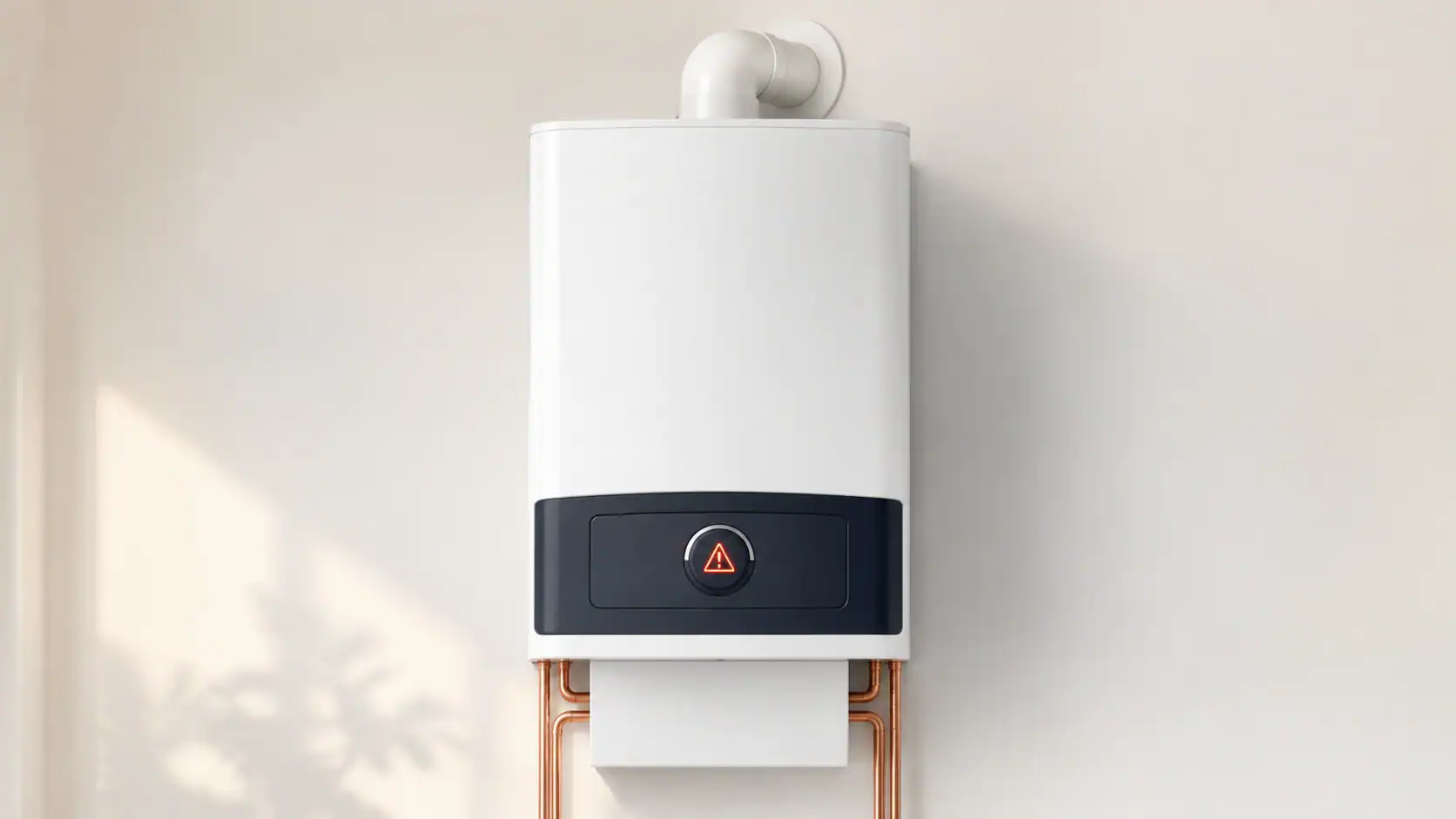
Boiler pressure keeps dropping? If you top the system up and the pressure falls again, there is usually a reason for it. Common causes include a leak somewhere in the heating system, radiator bleeding, a pressure-relief problem, an expansion-vessel fault or water escaping from inside the boiler.
A one-off pressure adjustment is different from pressure that repeatedly falls every few days. If the problem keeps returning, it is better to find the cause than to continually repressurise the boiler.
Many sealed heating systems operate at roughly 1 to 1.5 bar when cold, although the correct range depends on the boiler and heating system. Always check your boiler manual or the markings on the pressure gauge rather than treating one figure as correct for every appliance.
For more detail, see our guide to normal boiler pressure and pressure adjustment.
These are some of the main things an engineer may consider when pressure repeatedly falls.
A small leak is one of the most common reasons boiler pressure falls. Water can escape from radiator valves, pipe joints, visible heating pipework or another part of the system.
Sometimes the leak is obvious. Other times it can be small enough to leave only staining, dampness or a slow pressure loss.
Check only the areas you can safely see. Look around:
If you find water around the boiler itself, our guide to a boiler leaking water explains what to check next.
Bleeding a radiator releases trapped air, but a small amount of system water and pressure can also be lost during the process.
If the pressure dropped shortly after bleeding one or more radiators, the system may simply need to be repressurised according to the boiler manufacturer’s instructions.
The important difference is what happens afterwards. If you restore the pressure and it continues to fall again, there may be another fault.
The pressure relief valve, often shortened to PRV, is a safety component designed to release water if system pressure becomes too high.
Its discharge pipe normally runs from the boiler to outside the property. If this pipe is continually dripping or wet, it can be a useful clue that water is leaving the heating system.
A leaking PRV can be the fault itself, but an engineer may also need to establish why the boiler pressure became high enough to operate the valve.
The expansion vessel helps manage the increase in water volume as the heating system warms up.
If it is not working correctly, you may notice a pattern where the boiler pressure rises substantially when the heating gets hot and then falls again once the system cools.
This can sometimes lead to water being discharged through the pressure relief valve, after which the boiler is left with low pressure.
Expansion-vessel diagnosis usually requires access to internal boiler components, so it is not something we recommend homeowners attempt themselves.
Pressure can fall even when you cannot find a visible leak around the radiators or pipework.
The water may be escaping from an internal boiler component or from somewhere hidden within the heating system.
Engineer note: on real boiler jobs, the visible symptom does not always tell you exactly where the fault is. A system can lose pressure slowly with very little water visible around the appliance.
Do not remove the boiler casing to look for an internal leak. Gas-boiler casing and internal inspection should be dealt with by a suitably qualified engineer.
Not every heating-system leak is visible. Pipework may run beneath floors, behind walls or through areas that are difficult to inspect.
If the boiler continually loses pressure but there is no obvious leak around the boiler or radiators, hidden pipework may need to be considered as part of the diagnosis.
Worcester Bosch similarly advises checking visible radiator valves, joints and the PRV discharge, while noting that under-floor pipework can also be involved.
You should not normally need to keep topping up a sealed heating system every few days.
If you repressurise the boiler and the pressure drops back down quickly, repeatedly adding more water is not fixing the underlying problem.
A gradual change over a long period is different from pressure that falls every day or every week. The faster it drops, the more useful it becomes to investigate where the water or pressure is being lost.
Many boilers have a user-operated filling loop or filling key that allows the system to be repressurised, but the exact procedure differs between manufacturers and models.
Always follow the instructions for your own boiler rather than copying a generic procedure online.
If you are unsure what type of filling system you have, see our boiler filling loop guide.
If the pressure immediately drops again after repressurising, Vaillant advises that a significant leak or pressure-relief fault may need investigating rather than repeatedly topping the system up.
If the pressure is noticeably lower in the morning, check whether the reading changes mainly because the heating system has cooled or whether it continues falling day after day.
Some pressure movement between a hot and cold system is normal. A repeated downward trend, however, suggests that water or pressure is being lost somewhere and deserves investigation.
Some increase in pressure as the heating water becomes hot is normal.
A very large rise followed by pressure loss when the system cools can point towards an expansion or pressure-control issue. This is particularly useful information to give an engineer.
Arrange professional diagnosis if:
For professional fault diagnosis, see our boiler repair service.
If you’re in Cardiff and your boiler repeatedly loses pressure, leaks water or locks out, visit our dedicated Boiler Repair in Cardiff page.
When booking, tell us how quickly the pressure drops, whether you can see any water and whether the pressure rises substantially when the heating is running.
Small changes can occur as a heating system warms up and cools down. Continual pressure loss that requires regular topping up is different and should be investigated.
Pressure normally falls somewhat as the system cools. If it falls much further than expected or eventually reaches a low-pressure fault, an expansion, leak or pressure-control problem may need investigating.
Yes. A leaking radiator valve, joint or other heating-system component can allow water to leave a sealed system, causing the pressure to fall.
Yes. The leak may be very small, hidden in pipework or inside the boiler. Pressure-related components such as the PRV or expansion vessel may also need checking.
If the pressure repeatedly drops after being restored, continually topping it up is not a long-term solution. The reason for the pressure loss should be identified.
Let’s Heat can investigate repeated pressure loss, boiler leaks, lockouts and other heating faults.
You don’t need to know what component is causing the problem before you book.
This guide has been checked against current boiler-pressure guidance from Vaillant and Worcester Bosch.
Mo Alwadi is Renewable Manager at Let’s Heat and a Gas Safe registered engineer (registration no. 977042), with experience in domestic heating and air conditioning. He contributes technical guidance on boiler installation, boiler replacement, heating systems, air conditioning and home energy solutions, helping UK homeowners understand their options and make informed decisions.
View all posts by Mo Alwadi →