
Heating Engineers in Penarth
Need help with your radiators, heating controls, boiler or wider central heating system? Let’s Heat provides heating engineer services across Penarth and surrounding areas, including fault diagnosis, repairs, servicing and heating-system work. Gas boiler work is carried out by Gas Safe registered engineers.





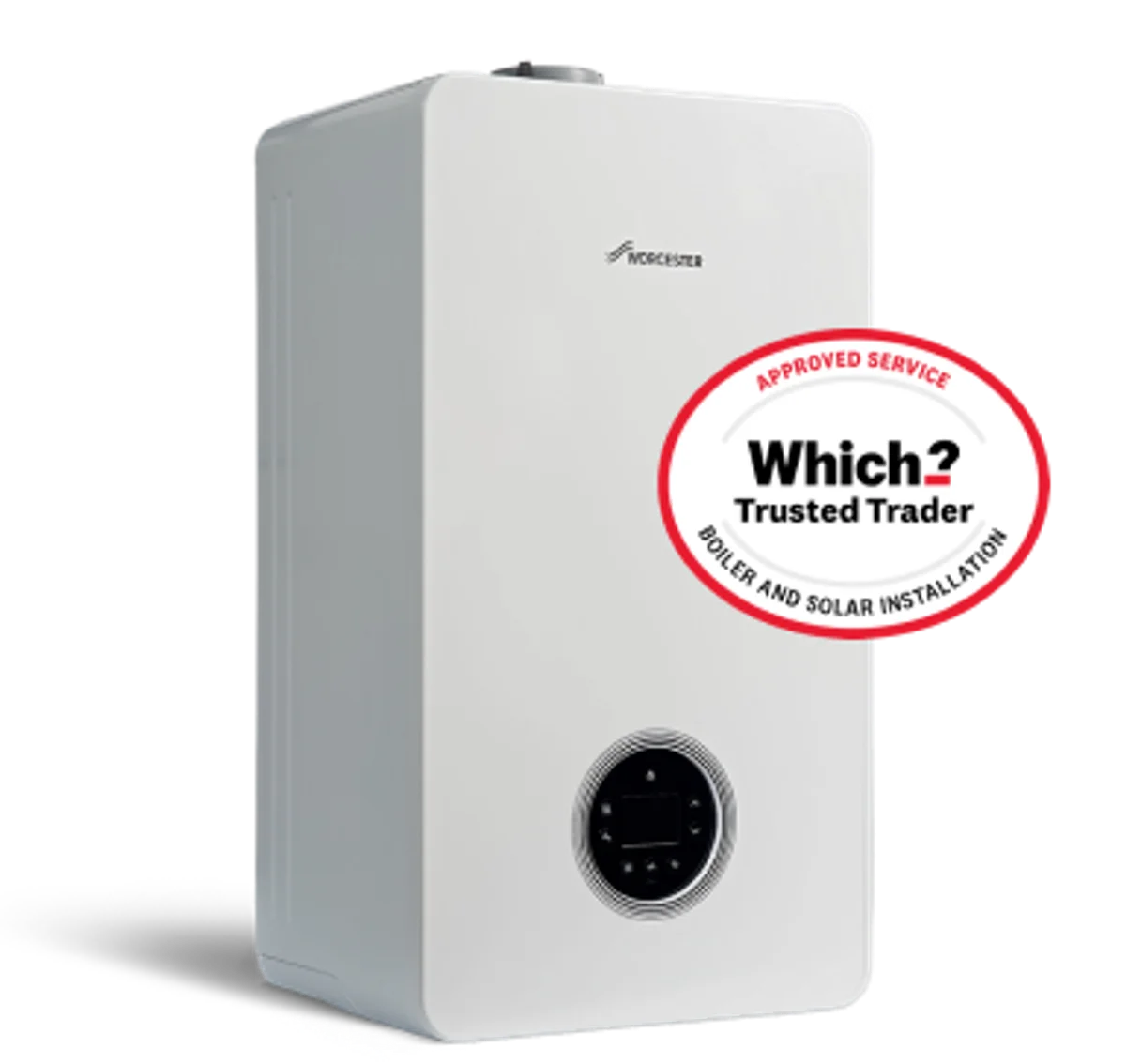
Annual Boiler Service
Stay on top of annual servicing. Regular servicing can help meet manufacturer servicing requirements and keep your boiler properly maintained.
Boiler Repair
No heating, no hot water, or a boiler fault code? We’ll diagnose the problem and explain the repair options clearly.
Loved by homeowners
Don't just take our word for it
Real feedback from customers who have used Let’s Heat for heating and cooling services.

Boiler support for every stage
Get help with a boiler fault
Arrange professional fault diagnosis when your boiler stops working properly or your heating and hot water are affected.



Gas Safe registered engineers
Boiler installation, servicing and repairs carried out by Gas Safe registered engineers.
Warranty and aftercare
Clear handover, warranty information and support after your new boiler installation.
Flexible boiler finance
Spread the cost of your new boiler with available finance options, subject to status and lender approval.
Rated by our customers
Read verified customer feedback across our independent review platforms.
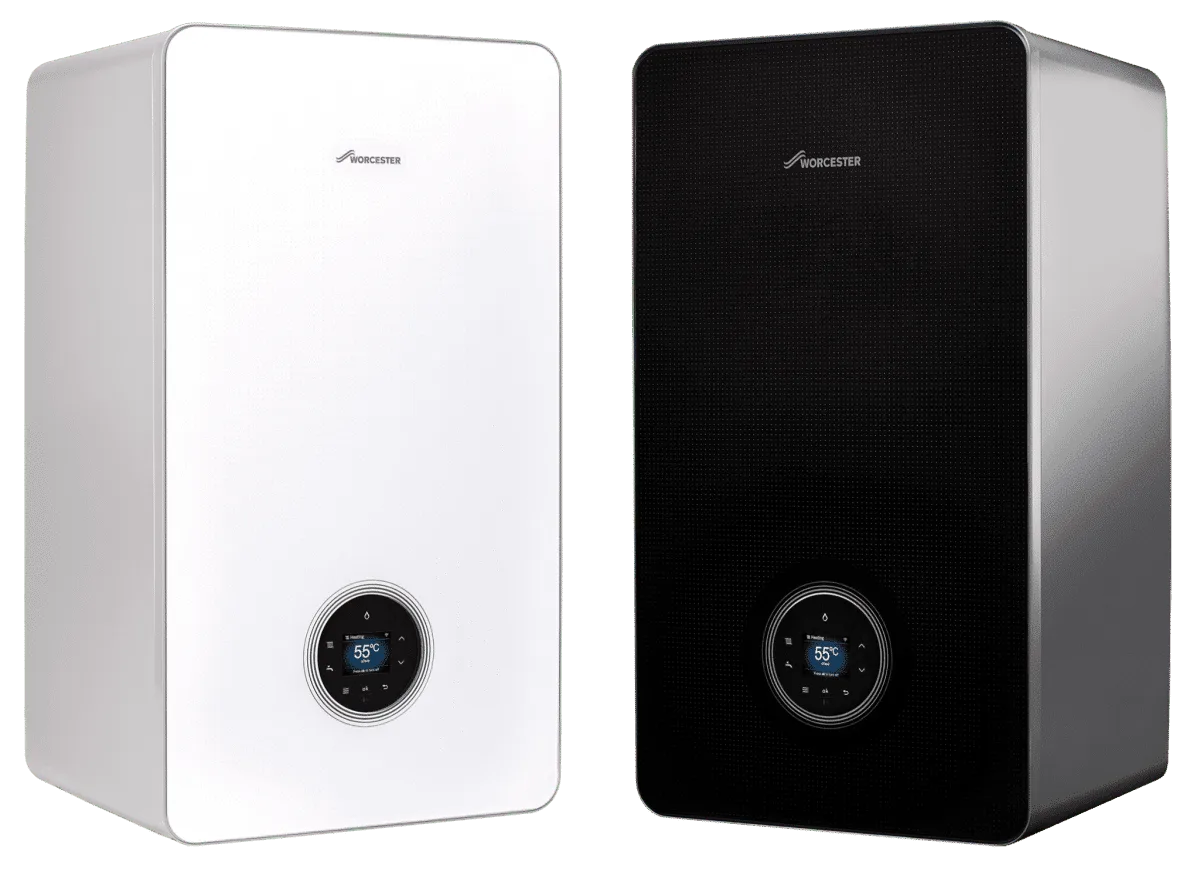
Is it time to replace your old boiler?
Explore modern boiler options for your home and get straightforward guidance on boiler type, size, controls and installation.
Worcester Bosch
Vaillant
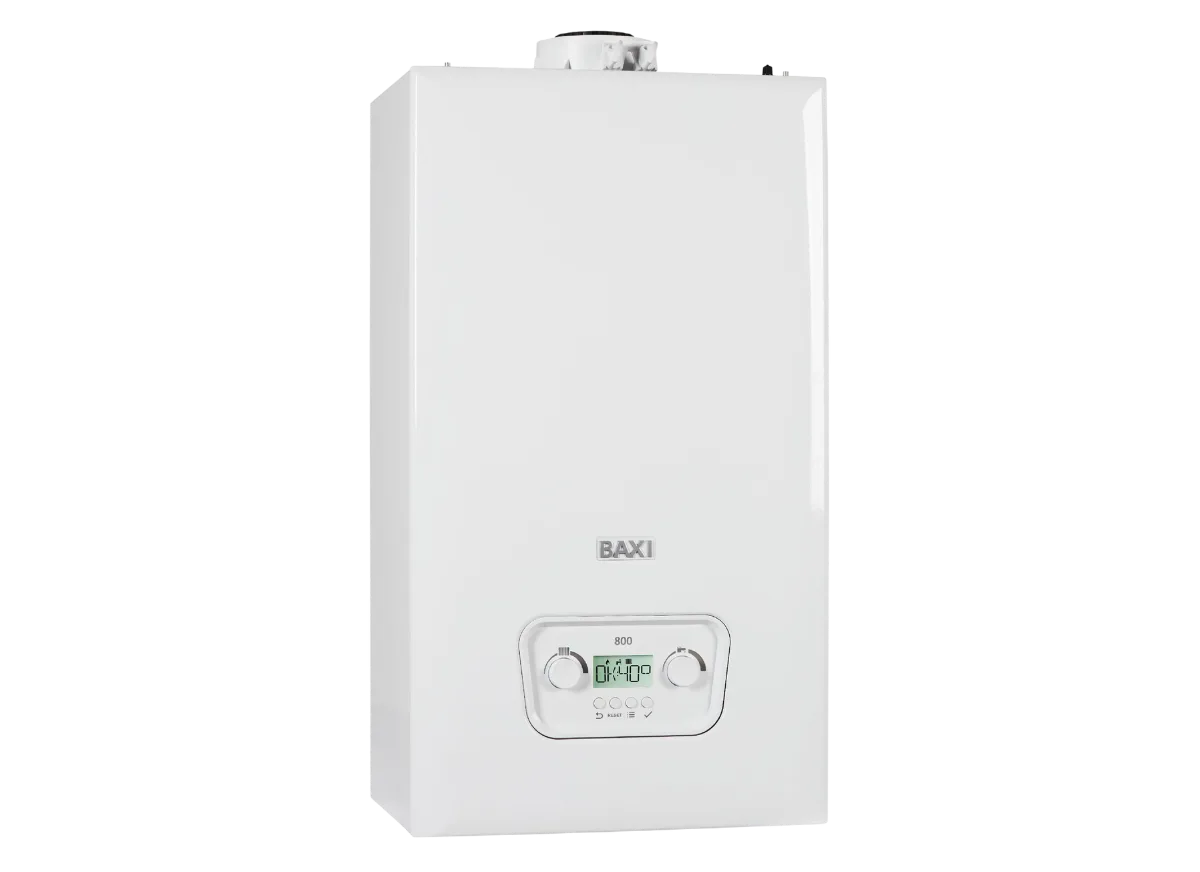
Baxi
Ideal
Viessmann
Heating, Boiler & Plumbing Services Across South Wales & Bristol
Let’s Heat provides boiler, heating and plumbing services across Cardiff, Newport, Bristol and surrounding areas. Enter your postcode when booking to check current service availability in your area.
How to Report an Issue
If you have a problem with your boiler, heating, gas or air conditioning, you can report the issue using one of the options below.
Call Us
Speak to our team about the issue and tell us what is happening. We can then advise you on the next step or arrange an appointment where appropriate.
Email Us
Send us details of the issue, including any fault codes or useful information about the appliance or system.
Report an Issue Online
Complete our online form with a few details about the problem, your property and the service you need.
Boiler help & advice
Expert guides and advice to help you make informed decisions.
-

Should I Repair or Replace My Boiler? 10 Signs to Help You Decide
Should I repair or replace my boiler? Repair is often the sensible option when the fault is clearly identified, the boiler is otherwise in good condition and the repair cost is reasonable. Replacement becomes more worth considering when the boiler is older, regularly breaking down, inefficient, difficult to source parts for or facing a substantial repair.There is no single boiler age, fault code or repair price that automatically means you need a new boiler. The right decision depends on the appliance's condition, reliability, repair history, parts availability and the cost of both options.If you're unsure, a professional diagnosis should come before the final decision.Not sure whether your boiler needs repairing or replacing? Book a boiler fault diagnosis →Reviewed by: Let’s Heat Last updated: September 2026 Quick Answer: Should I Repair or Replace My Boiler? If you're asking “should I repair or replace my boiler?”, start with the condition of the appliance rather than its age alone.Repair may be better when Replacement may be better whenThe boiler is otherwise reliable The boiler breaks down repeatedlyThe fault is clearly identified and repairable The confirmed repair is substantialReplacement parts are readily available Important parts are becoming difficult to sourceThe boiler has been maintained well The appliance has several signs of deteriorationOne repair should restore dependable operation You are paying for repeated repairs without improving reliabilityThe boiler still suits the property The existing boiler no longer suits the home's heating or hot-water demandThis is a guide rather than a diagnosis. A boiler that is more than 10 years old can still be worth repairing, while a newer appliance with serious damage may sometimes justify comparing replacement options. 10 Signs You May Need to Repair or Replace Your Boiler 1. Your Boiler Breaks Down Frequently One breakdown does not normally justify replacing a boiler.Repeated breakdowns are different.If you have paid for several call-outs, parts or recurring faults within a relatively short period, consider the total amount being spent rather than looking at each repair separately.Repair may still make sense if several symptoms come from one underlying fault that has now been correctly identified.Replacement becomes more worth comparing when different components continue to fail and confidence in the boiler is falling.An engineer should first establish whether you genuinely have several independent faults or one unresolved issue causing repeated problems. 2. The Repair Quote Is Very High The more expensive the confirmed repair becomes, the more useful it is to compare the cost against replacing the boiler.That does not mean an expensive repair is automatically poor value.Consider:the boiler's age; its overall condition; which component has failed; whether other major components show signs of deterioration; parts availability; the warranty provided with the repair; the complete installed replacement cost.If a substantial repair would leave you with an otherwise sound and dependable boiler, repair may still be worthwhile.If the same money is being spent on an older appliance with a history of breakdowns, ask for a replacement comparison before deciding.See our Boiler Replacement Cost Guide3. Your Boiler Is More Than 10–15 Years Old Boiler age matters, but age alone should not determine whether an appliance is replaced.A well-maintained older boiler with a straightforward repair may still provide useful service.As a boiler gets older, however, several other factors become increasingly important:how frequently it breaks down; whether replacement parts remain available; its general condition; whether corrosion is developing; its efficiency; the cost of the proposed repair.If your boiler is older but remains reliable and inexpensive to maintain, age by itself is not a reason to remove it.How Long Should a Boiler Last?4. Your Energy Bills Are Increasing Higher energy bills can make the efficiency of an older boiler worth reviewing, but the boiler should not automatically be blamed.Household energy use can also change because of:energy prices; colder weather; changes in occupancy; longer heating periods; thermostat settings; heating controls; insulation and heat loss.If an older boiler is already inefficient and now requires a substantial repair, replacement may become more attractive.If the appliance remains reliable and reasonably efficient, replacing it solely because your bill has increased may not make financial sense.A new boiler may reduce heating energy use where it replaces a less efficient system, but actual savings depend on the property, heating controls, household behaviour and existing boiler. 5. Replacement Parts Are Difficult to Find Parts availability can materially affect whether repairing an older boiler remains sensible.A fault may be technically repairable, but if the required component is obsolete or becoming increasingly difficult to source, maintaining the appliance can become less practical.Ask the engineer:Is the correct part still available? Is the component becoming obsolete? Are other major boiler parts still supported? Would repairing this fault leave the boiler reasonably supportable in future?Do not assume that every older boiler has unavailable parts. Many remain perfectly serviceable. 6. Your Boiler Is Leaking or Showing Corrosion A leaking boiler does not automatically need replacing.The significance depends on where the water is coming from and what has caused the leak.A leaking seal, valve or connection can be very different from significant corrosion or damage to an expensive major component.If you notice water:do not remove the boiler casing; do not attempt to seal internal components yourself; protect nearby belongings from water where safe; arrange diagnosis if the source is not obvious.What to Do if Your Boiler Is LeakingRepair may be appropriate for a contained, repairable leak. Replacement becomes more relevant when significant deterioration, corrosion or an expensive major-component failure is confirmed. 7. Your Boiler Makes Banging, Whistling or Gurgling Noises Unusual boiler noises can have several possible causes and should not be used alone to decide that an appliance needs replacing.Depending on the sound and heating system, possible causes can include:air in the system; poor circulation; a pump problem; scale or sludge; pressure problems; another internal fault.Many noise-related problems can be repaired.If unusual noises are one symptom among several recurring faults on an older boiler, they add more weight to a replacement comparison.Boiler Making Noise? Common Causes Explained8. Your Boiler Keeps Losing Pressure A sealed heating system that repeatedly loses pressure should be investigated.Possible causes can include:a radiator or pipework leak; an internal boiler leak; a pressure-relief issue; an expansion-vessel problem; another heating-system fault.Many pressure problems can be repaired and do not require a new boiler.The important question is why the pressure is falling.Continually topping the boiler up without finding the underlying cause is not a permanent solution.Why Does My Boiler Pressure Keep Dropping?9. You Have No Heating or Hot Water No heating or hot water can feel like a major boiler failure, but the actual cause may be relatively straightforward.Possible faults can include:a thermostat or controls problem; low system pressure; an ignition fault; a sensor; a diverter valve on a combi boiler; a pump or circulation problem; a condensate blockage; another boiler component.Do not replace a boiler simply because it stops working once.A professional fault diagnosis may reveal a relatively simple repair.If the same appliance repeatedly loses heating or hot water despite previous repairs, replacement becomes more reasonable to compare.Professional Boiler Repair & Fault Diagnosis10. Your Boiler Has a Safety Warning or Carbon Monoxide Concern Safety concerns should be treated differently from a normal repair-versus-replacement decision.If you smell gas, suspect a gas escape, have a carbon monoxide alarm activation or have another reason to believe the appliance may be unsafe, stop using it.In Great Britain, if you suspect a gas escape, call the National Gas Emergency Service on 0800 111 999.If there is an immediate danger to life or property, call 999 or 112.Do not remove the boiler casing or attempt to repair gas or combustion components yourself.A suitably qualified Gas Safe registered engineer should assess the appliance.A safety issue does not automatically mean replacement is required. The first priority is making the situation safe and identifying the actual fault. When Is Boiler Repair Usually the Better Option? Repair is generally worth considering when the boiler is otherwise in reasonable condition and the fault is limited to a specific repairable problem.Examples can include:a thermostat or heating-control fault; a pressure-related issue; a sensor fault; a pump problem; a diverter-valve fault; an ignition fault; a blocked condensate pipe.These are examples rather than diagnoses. Similar symptoms can have several causes, so the boiler should be tested before parts are ordered.Repair becomes more attractive where parts are readily available, the appliance has otherwise been reliable and the repair gives a reasonable expectation of continued service. When Is Boiler Replacement Usually the Better Option? Replacement becomes more worth considering when several factors appear together.For example:the boiler is older; breakdowns are becoming frequent; major parts are becoming difficult to obtain; significant deterioration or corrosion has been confirmed; a major repair is required; you have already spent heavily on previous repairs; the existing boiler no longer suits the property's heating or hot-water requirements.The strongest case for replacement is normally not one single factor. It is the combination of age, condition, reliability and repair economics.New Boiler InstallationBoiler Repair Cost vs Boiler Replacement Cost The cheapest option today is not always the cheapest option over the next several years.Factor Repair ReplacementUpfront cost Usually lower for a straightforward fault Higher initial investmentBoiler condition More attractive when the rest of the appliance is sound More attractive when deterioration is widespreadFuture breakdown risk Depends on age and overall condition New components and a new warranty can reduce near-term repair uncertaintyParts availability Can become important on older boilers Usually less of an immediate issueEfficiency Existing efficiency remains broadly unchanged May improve where an older inefficient appliance is replacedWhat Affects Boiler Repair Cost? The cost of a boiler repair can depend on:the actual fault; the component required; parts availability; diagnostic time; labour required; boiler make and model; access to the appliance; whether more than one fault is present.A fault code alone is not always enough to quote an accurate repair price because the same code can sometimes have several possible causes. What Affects Boiler Replacement Cost? A fully installed replacement quote can depend on:the type and output of the new boiler; the size of the property; the number of bathrooms; whether the boiler remains in the same position; whether the boiler type is changing; flue requirements; gas pipework; heating pipework; heating controls; system cleaning requirements; removal of the old appliance; additional installation work.Read our New Boiler Cost GuideSee Boiler Replacement CostsQuestions to Ask Before Choosing Repair or Replacement If you're still asking “should I repair or replace my boiler?”, these questions can make the decision much clearer:How old is the boiler? What exactly has failed? Has the same fault happened before? Are there other significant faults? Are replacement parts readily available? What is the complete repair cost? What warranty is provided on the repair? What is the fully installed replacement cost? What exactly is included in the replacement quotation? Would anything else in the heating system need changing? Is the engineer Gas Safe registered for the gas work involved?A useful comparison should look at the likely outcome of repairing the current boiler against the complete cost and benefits of replacement. Can Regular Servicing Help Avoid Boiler Replacement? Regular maintenance cannot prevent every component from eventually failing, but it can help identify developing problems and keep the boiler properly maintained.An annual boiler service also gives the engineer an opportunity to identify deterioration or maintenance issues before they develop into more serious faults.Annual Boiler ServiceHow Let’s Heat Can Help If you're unsure whether repairing or replacing your boiler makes more sense, the most useful first step is normally identifying the actual fault.Let’s Heat can help with:boiler fault diagnosis; boiler repairs; repair-versus-replacement assessments; replacement boiler options; Gas Safe registered gas work; clear quotations before proceeding.We cover Cardiff, Newport, Bristol and surrounding areas, subject to postcode availability. Frequently Asked Questions Is It Cheaper to Repair or Replace a Boiler? Repair normally has the lower immediate cost when the fault is straightforward. However, repeated expensive repairs to an older unreliable boiler can make replacement more economical over time. Compare the confirmed repair cost, overall condition and complete replacement quotation before deciding. Should I Repair or Replace My Boiler After 10 Years? Not automatically. Age is one factor rather than a replacement deadline. A 10-year-old boiler that is reliable, well maintained and inexpensive to repair may still be worth keeping. Age becomes more important when combined with repeated breakdowns, poor parts availability or a substantial repair. How Often Should a Boiler Be Replaced? There is no fixed replacement interval that applies to every boiler. Condition, maintenance, usage, reliability, parts availability and repair history are more useful than choosing an arbitrary age. Is a Leaking Boiler Worth Repairing? It can be. The answer depends on the source and severity of the leak. A small repairable component fault is very different from substantial corrosion or failure of an expensive major component. Have the source properly diagnosed before deciding. Can a New Boiler Reduce My Energy Bills? Replacing an inefficient older boiler with a more efficient system may reduce heating energy use, but the actual saving depends on the existing appliance, controls, property, insulation, household behaviour and energy prices. Avoid guaranteed saving figures without a proper assessment. How Do I Know if a Boiler Repair Is Safe? Gas work in domestic premises should be carried out by a suitably qualified Gas Safe registered engineer. Do not remove the boiler casing or attempt repairs to gas, combustion or internal safety components yourself. Should I Repair a Boiler That Keeps Losing Pressure? First identify why the pressure is falling. Many causes of repeated pressure loss are repairable. Replacement should only be considered if diagnosis reveals a serious problem or the pressure fault forms part of a wider pattern of deterioration and costly repairs. Is It Worth Repairing an Old Boiler? Sometimes, yes. An older boiler that has been reliable, is in reasonable condition and only needs a straightforward repair may still be worth fixing. Replacement becomes more attractive when age is combined with repeated breakdowns, difficult-to-source parts or a major repair. Final Thoughts: Should I Repair or Replace My Boiler? If you're deciding whether to repair or replace my boiler, focus on the actual fault, boiler condition, reliability and total cost rather than age alone.Repair is often sensible when the fault is clearly identified, parts are available and the rest of the boiler is in good condition.Replacement becomes more worth considering when an older boiler has become unreliable, expensive to maintain, difficult to source parts for or requires a substantial repair.The best decision should follow a proper diagnosis rather than assumptions based on one symptom or fault code.Need help deciding whether your boiler should be repaired or replaced? Let’s Heat provides boiler fault diagnosis, repairs and replacement options across Cardiff, Newport, Bristol and surrounding areas, subject to postcode availability.Book a Boiler Repair →Get a Boiler Replacement Quote →Sources CheckedHSE – Domestic Gas Safety GuidanceGas Safe RegisterEnergy Saving Trust – Boiler Guidance
-
Heating Repairs Near Me | From £120 | Let’s Heat
If your central heating has stopped working, gone cold, or started making strange noises, searching for heating repairs near me is usually the fastest way to find a qualified engineer who can get your home warm again. Whether the fault is with your boiler, a radiator, your pipework, or your heating controls, most problems can be diagnosed and fixed by a local Gas Safe registered engineer, often on the same day.In short: a heating repair typically involves an engineer visiting your property to diagnose the fault, explain what's wrong, and either fix it during the same visit or return with the correct parts. Costs usually range from around £100 for a straightforward fix to £750 or more for complex or emergency work, and any job involving a gas appliance must legally be carried out by a Gas Safe registered engineer.This guide explains what to expect from a heating repair, how much it's likely to cost, when a plumber can help and when you need a gas engineer, and what to do if you're facing a heating emergency.What Counts as a "Heating Repair"?Central heating problems fall into a few broad categories, and the right tradesperson depends on which one you're dealing with:Boiler faults – no heat, no hot water, error codes, leaks, banging or gurgling noises, low or high pressure.Radiator problems – cold spots, radiators that won't heat up, leaks from valves or pipework.Heating controls – thermostats, programmers, and smart heating systems not responding correctly.System-wide issues – heating that runs but never gets warm, uneven heat across the property, or a system that keeps losing pressure.Heat pump faults – for the growing number of homes with air source heat pumps, similar symptoms (no heat, error codes, unusual noise) but different diagnostic and repair processes.Because these issues can have overlapping symptoms, a proper diagnosis from a qualified engineer is the only reliable way to confirm the cause before any repair work begins.Can a Plumber Fix Central Heating?A general plumber can carry out some central heating work, such as bleeding radiators, replacing a radiator valve, or fixing a non-gas leak in the pipework. However, any work on a gas boiler or gas-fired heating appliance must be carried out by an engineer who is Gas Safe registered. This is a legal requirement in Great Britain, not just good practice, because unsafe gas work can lead to fires, explosions, or carbon monoxide poisoning.In practice, most heating engineers who advertise boiler and central heating repairs are also Gas Safe registered plumbers, so they can handle both the gas and non-gas elements of a repair in a single visit. When booking, it's reasonable to ask:Are you Gas Safe registered, and can I see your ID card?Does your registration cover the type of appliance I have (for example, domestic gas boilers)?Do you have experience with my boiler's make and model?You can check an engineer's Gas Safe registration and the types of work they're qualified for using the official Gas Safe Register before any gas work begins.How Much Do Boiler and Heating Repairs Cost?Exact prices depend on the fault, the parts required, your boiler's make and model, and whether the work is urgent. As a general guide for the UK in 2026:Type of repair Typical price rangeStandard boiler repair (parts and labour) £120–£500Average boiler repair Around £300Emergency or out-of-hours call-out £225–£675Simple radiator or valve repair Often at the lower end of the standard rangeMajor component replacement (e.g. heat exchanger, PCB) Toward the upper end, sometimes £500+These figures are typical UK price guides, not fixed quotes. The only way to get an accurate price for your specific fault is a property-specific assessment or quotation, since the final cost depends on your boiler type, the parts needed, and how accessible your system is. What Affects the Price of a Heating RepairThe type of fault – a reset or minor part replacement costs far less than a major component failure.Boiler age and model – parts for older or less common boilers can be harder to source and more expensive.Urgency – emergency and out-of-hours call-outs typically cost more than a scheduled weekday appointment.Access – boilers in awkward locations, such as tight lofts or airing cupboards, can take longer to work on.Parts availability – some repairs need a part ordered in, which affects both cost and timescale.If you're facing a growing pattern of repairs, or your boiler is more than 10–15 years old, it's worth asking your engineer whether continued repair still makes financial sense compared with replacement, since repeated call-outs can eventually add up to more than a new boiler installation.heating repairs near meHow to Find Emergency Heat Pump Repair Near YouAir source heat pumps are becoming increasingly common in UK homes, and while they're generally reliable, they can develop faults just like a boiler: no heat output, error codes on the control unit, unusual noise from the outdoor unit, or a system that isn't reaching the set temperature.Because heat pumps use different refrigerants, controls, and electrical components to a gas boiler, not every heating engineer is trained to work on them. When looking for emergency heat pump repair:Confirm heat pump experience specifically – ask whether the engineer regularly services and repairs heat pumps, not just gas boilers.Check for F-Gas qualifications – work on the refrigerant circuit legally requires F-Gas certification.Ask about manufacturer training – heat pump brands often require specific training for warranty-compliant repairs.Clarify response times – emergency heat pump call-outs may have different availability to standard boiler repairs, particularly outside of daytime hours.If your heat pump has stopped completely in cold weather, most manufacturers recommend checking that the outdoor unit isn't blocked by snow, ice, or debris, and that the system hasn't simply lost power, before assuming a major fault. Anything beyond that should be left to a qualified engineer.Who Repairs Both Heating and Cooling Systems Near You?If your property has both a heating system and air conditioning, or you're considering adding air conditioning alongside your existing heating, it's often more convenient to use a company that covers both rather than booking separate specialists.Heating and cooling systems that combine into one call-out typically include:Gas and oil boilers, central heating systems, and radiators.Air source heat pumps, which can provide both heating and, in some systems, cooling.Split and multi-split air conditioning systems for homes, home offices, and small commercial premises.When choosing a combined heating and cooling provider, check that engineers hold the relevant qualifications for each system type: Gas Safe registration for gas work, and F-Gas certification for any air conditioning or heat pump work involving refrigerant. A company that genuinely covers both should be able to explain which of their engineers are qualified for each type of job, rather than treating heating and cooling as interchangeable.Signs You Need a Heating RepairBook an engineer promptly if you notice:No heating or hot water, or intermittent heating that keeps switching off.Unusual noises from the boiler or pipework, such as banging, gurgling, or whistling.A boiler pressure gauge reading significantly outside the normal range (usually 1–2 bar when cold, but check your manual).Visible leaks around the boiler, radiators, or pipework.An error code displayed on the boiler.Radiators that are cold at the top, cold at the bottom, or cold in patches.A carbon monoxide alarm sounding, or a persistent smell of gas.Safety note: if you smell gas, suspect a gas leak, or your carbon monoxide alarm activates, leave the property, avoid using electrical switches or naked flames, and contact the National Gas Emergency Service on 0800 111 999 immediately. Do not attempt to investigate the boiler or gas supply yourself, and do not simply keep resetting the boiler as a way of ignoring a genuine fault, since this can mask a more serious safety issue.What Happens During a Heating Repair VisitA typical repair appointment follows a similar pattern regardless of the fault:Diagnosis – the engineer inspects the system, checks pressure, error codes, and relevant components to identify the cause.Explanation – you should be told what's wrong, in plain terms, along with the options for fixing it.Repair or quote for parts – straightforward faults are often fixed on the same visit; jobs needing an ordered part will usually need a follow-up appointment.Safety checks – for gas appliances, the engineer will check that the boiler is operating safely before leaving, including flue and ventilation checks where relevant.Handover – you should receive a summary of the work carried out, and for gas work, this may be recorded as part of your boiler's service history.Most straightforward repairs are completed within one to two hours, though jobs requiring ordered parts may need a return visit.Repair or Replace? Making the Right DecisionNot every fault means you need a new boiler, and in many cases repair is the simpler and cheaper option. However, replacement is usually the better long-term choice when:The boiler is more than 10–15 years old and increasingly unreliable.Repairs have become frequent, with costs adding up over a short period.Parts for your specific model are becoming hard to source.Your current boiler is significantly undersized or oversized for your property's hot water and heating demand.You're looking to improve energy efficiency and reduce running costs.A qualified engineer should be able to talk you through the trade-offs during a repair visit, rather than automatically recommending replacement. If replacement does make sense, a proper property assessment will look at your household size, number of bathrooms, hot water demand, and existing pipework before recommending a combi, system, or regular boiler.Annual Servicing and Why It MattersMany heating faults can be reduced, though not entirely prevented, by having your boiler serviced annually. A service typically includes checks on the burner, heat exchanger, flue, and safety devices, along with a general inspection for leaks, corrosion, and correct operation. Regular servicing also helps keep your manufacturer's warranty valid, since many warranties require proof of annual servicing by a qualified engineer.If you're a landlord, an annual gas safety check (leading to a Landlord Gas Safety Record) is a legal requirement for any rented property with gas appliances, separate from a full boiler service, though the two are often carried out together.Heating Repairs Across South Wales and the South WestHomes across Cardiff, Newport, Bristol, Barry, Caerphilly, Penarth, Pontypridd, Bridgend, Cwmbran, Chepstow, Weston-super-Mare, Portishead, Clevedon, Swansea, Merthyr Tydfil, Llantrisant, Dinas Powys, Taff's Well, Rhoose, and Caldicot cover a wide mix of property types, from Victorian terraces with older, harder-to-access pipework to newer estate housing with combi boilers fitted in kitchen cupboards. This affects both the type of faults that tend to occur and how quickly they can be resolved: older properties in areas like central Cardiff or Newport are more likely to need bespoke pipework solutions, while newer developments around places like Llantrisant or Cwmbran tend to have more standardised systems that are quicker to diagnose.If you're searching for heating repairs near you across South Wales, Bristol, or the surrounding areas, Let's Heat provides boiler and central heating repairs carried out by Gas Safe registered engineers. Get in touch to describe the fault you're experiencing and arrange a visit.Frequently Asked QuestionsHow much do heating repairs near me typically cost? Most standard boiler and heating repairs in the UK cost between £120 and £500, with an average of around £300 including parts and labour. Emergency or out-of-hours callouts tend to cost more, often in the £225–£675 range. The exact price depends on the fault and your specific boiler, so a property-specific quote is the only way to get an accurate figure.Can a plumber fix central heating, or do I need a gas engineer? A plumber can carry out some central heating work, such as bleeding radiators or fixing a non-gas leak. However, any work on a gas boiler or gas heating appliance must legally be carried out by a Gas Safe registered engineer, so it's worth checking registration before booking.How quickly can someone come out for an emergency heating repair? Response times vary by company and location, and can also depend on demand during colder months. If you have no heating or hot water, mention this when booking so the company can prioritise the visit appropriately.What's the difference between a boiler service and a boiler repair? A service is a routine annual check to confirm your boiler is operating safely and efficiently, while a repair addresses a specific fault, such as no heat, a leak, or an error code. Many warranties require annual servicing regardless of whether repairs have been needed.My boiler keeps losing pressure – is this a DIY fix? Topping up boiler pressure using the filling loop is something many homeowners can do safely by following their boiler manual. However, if pressure keeps dropping repeatedly, this usually indicates an underlying leak or fault that needs an engineer to diagnose properly.Is it worth getting emergency heat pump repair, or should I wait for a standard appointment? If your heat pump has stopped working entirely in cold weather, it's worth requesting an emergency visit, particularly for vulnerable households. Not all heating engineers are trained on heat pumps specifically, so check for relevant experience and F-Gas qualifications when booking.Do I need to replace my boiler if it needs repairing? Not usually. Many common boiler faults are repairable without replacement. Replacement tends to make more sense when a boiler is old, repairs are becoming frequent, or parts are difficult to source, and a good engineer should explain the reasoning rather than automatically recommending a new boiler. What should I check before calling an engineer for a "no heating" fault? Safe homeowner checks include confirming the thermostat is set correctly, checking the boiler isn't showing a low-pressure warning, and checking that any timer or programmer settings haven't been changed. Anything beyond these basic checks, particularly involving the boiler's internal components, should be left to a qualified engineer.Who repairs both heating and cooling systems, such as boilers and air conditioning? Some heating companies cover both, employing Gas Safe registered engineers for boiler and central heating work alongside F-Gas certified engineers for air conditioning and heat pumps. When booking, ask which qualifications apply to your specific job, since gas and refrigerant work each require different certifications. What happens if my boiler is under warranty and it breaks down? If your boiler is still under manufacturer warranty, repairs may be covered, but many warranties are conditional on annual servicing by a qualified engineer and correct installation. Check your warranty documentation, or contact the manufacturer, before arranging independent repairs to avoid invalidating the cover. Do landlords have specific responsibilities for heating repairs? Landlords are legally required to arrange an annual gas safety check on rented properties with gas appliances, carried out by a Gas Safe registered engineer, and to keep the property's heating system in good working order. Repairs should be arranged promptly once a tenant reports a fault.If your heating has broken down or you're noticing early warning signs of a fault, Let's Heat can arrange a visit from a Gas Safe registered engineer to diagnose the problem and give you a clear, fixed quote before any work begins. Get in touch to book a boiler repair or request an emergency callout.
-
Best Combi Boilers 2026: 5 Top UK Models Compared
Looking for the best combi boilers in 2026? Worcester Bosch, Vaillant, Viessmann, Ideal and Baxi all have current models worth considering, but there is no single combi boiler that is right for every home.What I would normally check first is the property rather than the badge on the boiler. Hot-water demand, incoming mains-water flow, heat loss, number of bathrooms and available installation space all affect which combi actually makes sense.If you are not sure whether a combi is the right type of boiler for your home, start with our new boiler guide before comparing individual models.Quick AnswerFor many small and medium-sized UK homes with one main bathroom, the Worcester Bosch Greenstar 4000 is our best all-round combi boiler choice for 2026.The Vaillant ecoTEC plus is a strong premium alternative, while the Viessmann Vitodens 050-W, Ideal Vogue MAX Combi and Baxi 800 Combi 2 each stand out for different reasons. The right choice still depends on your home's heating requirement, water flow and hot-water demand.🔑 Key PointsWorcester Bosch Greenstar 4000 is our best balanced all-round choice for many one-bathroom homes.Vaillant ecoTEC plus is a strong premium alternative with smart-control options and a broad range.Viessmann Vitodens 050-W is compact and available in several useful combi outputs.Ideal Vogue MAX Combi offers a long warranty and a supplied system filter.Baxi 800 Combi 2 includes a magnetic system filter and practical EasyFill feature.A bigger kW number does not automatically mean a better boiler.A combi should only be selected after checking the incoming water supply and actual hot-water demand.Best Combi Boilers 2026: Quick ComparisonCombi boiler Our view Current outputs Warranty / guaranteeWorcester Bosch Greenstar 4000 Best all-rounder 25kW and 30kW 7 years standard; qualifying options up to 10 yearsVaillant ecoTEC plus Best premium option Multiple current combi outputs 5 years standard; qualifying options up to 10 yearsViessmann Vitodens 050-W Best compact option 25kW, 30kW and 35kW 7-year standard warranty when correctly registered; 10-year upgrade availableIdeal Vogue MAX Combi Best for a long warranty 26kW, 32kW and 40kW 10 years standard when correctly registered; qualifying options up to 12 yearsBaxi 800 Combi 2 Best practical package 24kW, 30kW and 36kW 10-year parts and labour warranty, subject to conditionsThis is not a laboratory reliability ranking. There is no complete public dataset comparing every current boiler under exactly the same installation, water-quality, usage and servicing conditions.Our comparison looks at current specification, practical suitability, output options, controls, warranty terms and how each boiler fits different types of UK home.1. Worcester Bosch Greenstar 4000 – Best All-Round Combi BoilerFor many ordinary UK homes with one bathroom, the Worcester Bosch Greenstar 4000 is the combi I would put near the top of the shortlist.The current range is available in 25kW and 30kW combi versions. Worcester Bosch positions it for small to medium-sized homes, which is where it makes the most sense.25kW and 30kW combi modelsSuitable for many small and medium-sized homesFull-colour displayCompatible with Bosch EasyControlWide modulation range7-year standard guaranteeQualifying guarantee options up to 10 yearsWhat I like about the Greenstar 4000 is that it covers the requirements of a lot of typical properties without pushing the homeowner straight towards an unnecessarily large boiler.The 25kW version can suit lower hot-water demand, while the 30kW model gives more hot-water performance where the incoming mains supply can support it.The important limitation is the same as with any combi. If the property regularly needs several hot-water outlets running together, you should not assume a larger combi will always be the best answer.Check the current specifications directly on the Worcester Bosch Greenstar 4000 page.2. Vaillant ecoTEC plus – Best Premium Combi BoilerThe current Vaillant ecoTEC plus is one of the strongest premium alternatives if you want a well-specified boiler with smart-control options and a wider product range.One important point is that the older ecoTEC plus 825, 832, 835 and 838 generation has been replaced by Vaillant's remastered ecoTEC plus range.So if you see older comparison articles still recommending an ecoTEC plus 832 as though it is the current model, check which generation they are actually referring to.Current combi and system versions availableSmart-home connectivity through compatible Vaillant controlsModern display and control interface5-year standard guaranteeQualifying guarantee options up to 10 yearsI would consider the ecoTEC plus where the homeowner wants a premium boiler, good control integration or needs a model outside the narrower output range offered by some competitors.That still does not mean selecting the biggest version automatically. The correct boiler needs to match the home and its actual hot-water demand.See the latest information on the Vaillant ecoTEC plus page.New Boiler QuoteNot Sure Which Combi Boiler Suits Your Home?Tell us about your property, current boiler, bathrooms and hot-water use. We can help you compare suitable options rather than simply choosing the biggest boiler.Get My Boiler QuoteGas Safe registered • Let’s Heat registration no. 9770423. Viessmann Vitodens 050-W – Best Compact CombiThe Viessmann Vitodens 050-W is worth considering if you want a compact combi with a strong technical specification.The current range includes 25kW, 30kW and 35kW combi versions, as well as system boiler options.25kW, 30kW and 35kW combi versionsCompact designStainless-steel heat exchangerBuilt-in connectivity for Viessmann's ViCare systemPublished 92% ErP efficiency7-year standard warranty when correctly registered, with a 10-year upgrade optionFor a smaller home or flat, the compact dimensions can be useful where installation space is limited.The 30kW and 35kW versions provide higher domestic hot-water performance, but again, the incoming mains supply needs to be capable of delivering the water flow.You can check the latest specifications on the Viessmann Vitodens 050-W page.4. Ideal Vogue MAX Combi – Best for WarrantyThe Ideal Vogue MAX Combi is worth comparing if warranty length is high on your list of priorities.The current range is available in 26kW, 32kW and 40kW versions and includes an Ideal system filter.26kW, 32kW and 40kW modelsStainless-steel heat exchangerFull-colour displayIdeal system filter includedCompatible with Ideal Halo controls10-year parts and labour warranty when registered correctlyQualifying options up to 12 years through MAX Accredited InstallersA long warranty is useful, but I would still choose the right boiler size and specification before choosing purely from the number of warranty years.The conditions also matter. Always check the current manufacturer's registration and servicing requirements.You can check Ideal's current product information on the Ideal Heating website.5. Baxi 800 Combi 2 – Best Practical PackageThe Baxi 800 Combi 2 is a practical option with several useful features already included.It is currently available in 24kW, 30kW and 36kW versions and comes with an Adey MagnaClean Micro2 magnetic system filter.24kW, 30kW and 36kW outputs10-year parts and labour warranty, subject to conditionsAdey MagnaClean Micro2 magnetic filter includedStainless-steel heat exchangerBrass hydraulicsEasyFill system for topping up heating pressureNatural gas or LPG capabilityThe warranty conditions are particularly important with the Baxi 800 range. Baxi requires the boiler to be registered within the specified period, the Benchmark checklist completed, annual servicing carried out and the supplied magnetic filter fitted and maintained for the full warranty to remain valid.See the current details on the Baxi 800 Combi 2 page.Which Is the Best Combi Boiler for Your Home?The best combi boilers vary by property because a small flat and a four-bedroom house do not have the same heating or hot-water requirements.Small flat or one-bedroom homeA lower-output combi can often make sense where there is one bathroom and relatively modest hot-water demand.There is usually no benefit in installing a much larger combi simply because it has a higher specification on paper.Typical two or three-bedroom homeMany properties in this category with one main bathroom suit a combi well.A 25–32kW hot-water category is often where homeowners start comparing models, but the final selection should still be based on the property, water flow and actual usage rather than bedroom count alone.Four-bedroom house with one bathroomA combi can still work well if the incoming mains-water supply is good and the household does not regularly need several hot-water outlets at the same time.This is where checking the actual hot-water requirement matters more than simply counting bedrooms.Home with two bathroomsI would be more careful about automatically choosing a combi for a property where two showers or several hot-water outlets are regularly used together.A larger combi may help where the incoming water supply is strong enough, but a system boiler with a correctly sized hot-water cylinder may be a better solution for consistently high simultaneous demand.Does a Higher kW Mean a Better Combi Boiler?No.This is one of the most common mistakes when comparing combi boilers online.A higher-output combi can usually produce more hot water, but only if the incoming water supply can support it.It also does not mean the property needs that amount of power for the radiators. The heating requirement can be considerably lower than the hot-water output shown in the boiler name.Engineer’s tip: do not choose a 35kW or 40kW combi just because the larger number sounds better. Check the water flow, hot-water demand and heating requirement first.How Important Is Hot-Water Flow Rate?Very important when comparing combi boilers.A combi heats water as you use it, so its domestic hot-water performance affects how quickly water can be delivered to taps and showers.But the boiler cannot deliver more water than the incoming mains supply provides.If a property has weak incoming flow, fitting a combi with a high published flow rate does not automatically solve the problem.Which Combi Boiler Has the Best Warranty?Ideal, Baxi, Worcester Bosch, Vaillant and Viessmann all have longer warranty or guarantee options within their current ranges.But I would not compare warranties only by the headline number.Check the standard warranty length.Check whether an approved installer is needed for the longer term.Check how quickly the boiler must be registered.Check whether a magnetic filter or specific system protection is required.Check the annual servicing requirements.Check what parts and labour are actually covered.See our boiler warranty guide if warranty length is an important part of your decision.Which Is the Most Reliable Combi Boiler?I would be careful with any article that claims one current combi boiler has a proven failure rate lower than every other model.There is no complete public dataset testing all current boilers under identical conditions.A boiler's long-term reliability is also affected by factors outside the appliance itself.Correct sizingInstallation qualitySystem cleanlinessWater treatmentCorrect commissioningHeating controlsAnnual maintenanceThat is why I would rather recommend a correctly sized boiler from an established manufacturer than claim one particular model will never break down.How Much Does a Good Combi Boiler Cost?The boiler model is only one part of the installed price.A straightforward combi-for-combi replacement in the same suitable position normally costs less than relocating the boiler or converting from a regular or system boiler.The final quotation can also be affected by the flue, gas supply, condensate route, controls, magnetic filter, system cleaning and any pipework changes.For current Let’s Heat package prices and a detailed breakdown, see our new boiler cost guide.You can also compare our current new boiler options.Should You Choose a Combi at All?A good combi boiler is still the wrong boiler if a combi is not suitable for the home.A combi is often a good choice when you want heating and hot water from one appliance, do not want a separate cylinder and the property's hot-water demand and incoming mains supply are suitable.For a home with higher simultaneous hot-water demand, stored hot water may be the better option.Compare combi boilers, system boilers and regular boilers before changing the existing system just because a combi seems simpler.Our guide to the different types of boiler systems explains the differences.Boiler InstallationReady to Compare Combi Boiler Options?Tell us about your home and current heating system. We can help you compare suitable boiler options and explain what the installation would involve.Get a Boiler QuoteGas Safe registered • Let’s Heat registration no. 977042Check Who Is Installing Your Combi BoilerThe quality of the installation matters just as much as the boiler model.Gas boiler work must be carried out by a suitably qualified Gas Safe registered engineer. You can check an engineer or registered business through the Gas Safe Register.Let’s Heat operates under Gas Safe Registration No. 977042.Frequently Asked QuestionsWhat is the best combi boiler in 2026?For many small and medium-sized homes with one bathroom, our best balanced all-round choice is the Worcester Bosch Greenstar 4000. Vaillant, Viessmann, Ideal and Baxi also have strong current alternatives depending on your budget, hot-water needs and installation requirements.Which combi boiler brand is the most reliable?There is no complete public dataset proving that one current brand has the lowest failure rate in every situation. Worcester Bosch, Vaillant, Viessmann, Baxi and Ideal are all established manufacturers. Correct installation and maintenance also have a major effect on reliability.What is the best combi boiler for a 3-bedroom house?Many three-bedroom houses with one bathroom can suit a correctly sized combi. The actual choice should be based on the property's heat requirement, hot-water use and incoming mains-water performance rather than bedroom count alone.What size combi boiler do I need for a 3-bedroom house?Around the 25–32kW hot-water category is a common starting point for comparison, but that is not a substitute for checking the home's heating requirement and water flow. A larger combi is not automatically better.What is the best combi boiler for two bathrooms?If two bathrooms regularly need hot water at the same time, I would compare a higher-output combi with a system boiler and hot-water cylinder rather than automatically choosing a combi. The incoming mains supply is particularly important.Is Worcester Bosch better than Vaillant?Neither is automatically better for every property. The Worcester Bosch Greenstar 4000 is a strong balanced option for many small and medium homes, while the current Vaillant ecoTEC plus offers a broader premium range and connected-control options.Is Viessmann a good combi boiler?The Vitodens 050-W is a credible option to compare with Worcester Bosch, Vaillant, Ideal and Baxi. It offers compact dimensions, a stainless-steel heat exchanger and several useful combi outputs.Is Baxi a good combi boiler?The Baxi 800 Combi 2 is a strong practical option. It includes a magnetic system filter, EasyFill pressure top-up feature and a 10-year parts and labour warranty when the manufacturer's conditions are met.Is a 35kW combi better than a 30kW boiler?Not automatically. A larger combi can provide greater hot-water output if the incoming mains supply supports it, but the property may not need the additional output. Correct sizing matters more than simply choosing the bigger number.How long should a combi boiler last?There is no guaranteed lifespan because installation quality, system condition, use and maintenance all affect how long a boiler lasts. See our guide to how long a boiler should last for more detail.How often should a combi boiler be serviced?Follow the manufacturer's servicing requirements and warranty conditions. Annual servicing is commonly required to maintain longer warranties. See our boiler service page for current Let’s Heat servicing information.Which Combi Boiler Should You Choose?For many ordinary one-bathroom homes, the Worcester Bosch Greenstar 4000 is our best all-round choice.But the main point of this best combi boilers guide is that there is no reason for every homeowner to buy exactly the same boiler.Worcester Bosch Greenstar 4000: best balanced all-round choiceVaillant ecoTEC plus: premium alternativeViessmann Vitodens 050-W: compact and well-specified optionIdeal Vogue MAX Combi: strong choice where warranty is a priorityBaxi 800 Combi 2: practical package with useful included featuresStart with the home, water supply and hot-water demand, then compare the boilers that actually fit those requirements.You can compare our current new boiler options, read our new boiler guide or get a new boiler quote.
-
Vaillant F29 Fault Code: Causes & What to Do
Vaillant F29 fault code? F29 means the boiler had a flame while operating, the flame was then lost, and the appliance was unable to successfully reignite.Vaillant lists several possible causes, including an interrupted or insufficient gas supply, a blocked condensate pipe, problems with the flue-gas route, poor electrical earthing and an issue involving the control electrode.There are a few safe checks you can make without opening the boiler, but a recurring F29 fault normally needs professional diagnosis. What Does the Vaillant F29 Fault Code Mean? Vaillant describes F29 as:Ignition following a flame loss during operation was unsuccessful.In simple terms, the boiler successfully established a flame, but that flame went out while the appliance was running.The boiler then attempted to ignite again and could not do so successfully.When this happens, you may notice:the boiler suddenly stops operating; F29 appears on the display; central heating stops; hot water stops on a combi boiler; the appliance works after resetting but later locks out again.Vaillant F29 Fault Code: What Should I Check First? Before arranging a repair, there are a few basic observations you can make safely.Write down the exact F29 code. Check whether other gas appliances in the property are working. If you use a prepayment gas meter, check that it has credit. Note whether the fault started during freezing weather. Check an accessible external condensate pipe for obvious freezing. Note whether F29 returns after a normal manufacturer-approved reset. Check whether any other Vaillant fault code appears alongside F29.If you smell gas or suspect a gas escape, do not continue testing appliances. Follow the gas-emergency guidance further down this page. 5 Possible Causes of a Vaillant F29 Fault 1. Gas Supply Has Been Interrupted Vaillant lists an interrupted gas supply or insufficient gas pressure as a possible cause of F29.If the boiler loses the gas supply while the burner is operating, the flame can go out. The boiler may then be unable to reignite and display F29.As a homeowner, basic checks can include:whether other gas appliances are operating normally; whether a prepayment gas meter has credit; whether there appears to be a wider gas-supply problem.Do not attempt to measure gas pressure, adjust the boiler gas valve or open the appliance yourself. 2. Blocked or Frozen Condensate Pipe Vaillant also lists a blocked condensate discharge pipe as a possible F29 cause.Modern condensing boilers produce condensate water that must drain away correctly.During freezing weather, externally routed condensate pipework can freeze. A blockage can then interfere with boiler operation and contribute to ignition or flame-loss faults.Clues may include:F29 appearing during very cold weather; an external condensate pipe that appears frozen; the boiler working normally before temperatures dropped; the fault returning shortly after the boiler attempts to run.Follow the instructions for your specific Vaillant boiler if the issue appears to be an accessible frozen external condensate pipe.Do not dismantle internal condensate components.For more detail, see:What Is a Boiler Condensate Pipe?3. Flue-Gas Route Problem Vaillant lists faults in the flue-gas route caused by recirculation or blockage as another possible reason for F29.The boiler needs the correct combustion-air supply and must safely discharge combustion products through its flue system.If a flue-related problem affects normal combustion, the flame may be lost during operation.The flue forms part of the boiler's combustion and safety system.Do not dismantle, modify or attempt to internally inspect the boiler flue yourself. 4. Poor Electrical Earthing Vaillant's current fault information also lists poor electrical earthing as a possible F29 cause.The boiler's electrical and flame-detection systems rely on correct electrical connections.An earthing fault can therefore interfere with correct operation or flame detection.This requires proper electrical testing rather than a visual homeowner check.Do not remove the boiler casing or attempt to test internal electrical connections yourself. 5. Control Electrode Problem Vaillant also identifies the control electrode contacting the burner as a possible cause of F29.The electrode forms part of the boiler's ignition and flame-monitoring system.If there is an electrode-related problem, the boiler may not correctly manage or detect the flame after it has been lost.This is another internal boiler fault that requires professional investigation.Diagnostic point: F29 tells us that the boiler lost its flame and then failed to reignite. It does not identify one component that should automatically be replaced. What Is the Difference Between Vaillant F28 and F29? F28 and F29 are closely related ignition faults, but they happen at different stages.F28: the boiler fails to establish a flame during the initial ignition phase. F29: the boiler had a flame, lost it during operation and then failed to reignite.A simple way to remember the difference is:F28 = flame did not successfully start. F29 = flame started, went out and did not successfully restart.If your boiler displays F28 instead, see:Vaillant F28 Fault Code: Causes & What to DoWhat Does F54 Mean With F29? Vaillant identifies F54 as a gas-supply fault that can occur together with F28 or F29.Possible causes listed by Vaillant include:insufficient gas supply; a closed gas isolator; gas flow pressure that is too low; a defective gas valve.If F54 appears alongside F29, tell the engineer both codes rather than reporting only F29.See our dedicated guide:Vaillant F54 Fault CodeWhy Does My Vaillant Boiler Run and Then Show F29? This behaviour fits the basic meaning of F29.The boiler has successfully started and established a flame, but something causes that flame to be lost while the appliance is operating.The boiler then attempts to restart and cannot successfully establish the flame again.Useful information to note includes:how long the boiler runs before F29 appears; whether the fault happens during heating or hot-water use; whether it only happens during very cold weather; whether other gas appliances continue working; whether F54 or another fault code also appears.This information can help narrow down the diagnosis. Can a Frozen Condensate Pipe Cause F29? Yes.Vaillant specifically lists a blocked condensate discharge pipe as a possible cause of F29.This becomes particularly relevant during freezing weather when exposed condensate pipework can freeze.If the boiler works normally for most of the year but suddenly develops an F29 fault during a cold spell, an accessible external condensate pipe is one of the basic areas worth checking. Can Low Gas Pressure Cause Vaillant F29? Yes. Vaillant lists insufficient gas pressure as one possible F29 cause.However, gas-pressure testing is not a homeowner task.An engineer can determine whether the fault is caused by the gas supply to the property, the appliance itself or another part of the combustion system. Can a Faulty Gas Valve Cause F29? A gas-valve problem can potentially be relevant, particularly where an associated F54 gas-supply fault is present.However, F29 itself has several recognised possible causes.Do not assume the gas valve needs replacing from the F29 code alone.The gas supply, condensate system, flue route, electrical earthing, flame-detection components and other relevant areas may all need consideration. Can a PCB Cause Vaillant F29? The PCB controls and monitors many stages of boiler operation, but Vaillant's current main F29 list does not simply define F29 as a PCB failure.If an engineer suspects an electrical control problem, the PCB may form part of a wider diagnostic process.It should not be replaced solely because the boiler has an F29 code.For more information about circuit-board diagnosis, see:Boiler PCB Faults: Signs, Causes & DiagnosisCan I Reset a Vaillant F29 Fault? If your Vaillant user manual allows a normal reset, you can follow the specified procedure after recording the fault code.A reset may restore operation temporarily.However, if F29 returns, the underlying reason for the flame loss is still present.Repeatedly resetting the appliance is not a repair.If your boiler continually starts and then stops, also see:Boiler Keeps Turning Off? Causes & What to DoCan I Fix a Vaillant F29 Fault Myself? Your safe homeowner checks are limited.You can:record the F29 fault code; check whether other gas appliances work; check prepayment meter credit if applicable; look for obvious freezing on an accessible external condensate pipe; follow the normal Vaillant reset instructions where appropriate; note when and how often the fault occurs.You should not:remove the boiler casing; measure or alter gas pressure; adjust the gas valve; work on ignition or flame-sensing electrodes; alter the flue; test internal live electrical components.How Is a Vaillant F29 Fault Diagnosed? An engineer should use the fault code together with the symptoms and manufacturer information.Depending on the boiler and circumstances, diagnosis may involve checking:gas supply to the appliance; gas flow pressure; combustion and flame operation; the flue-gas route; condensate drainage; electrical earthing; the control electrode and flame-detection system; other related boiler components; manufacturer-specific technical information.Engineer point: F29 identifies the point in the operating sequence where the boiler failed. Proper testing is still required to identify why the flame was lost. Why Does Vaillant F29 Keep Coming Back? If the boiler starts after resetting but F29 later returns, the underlying fault has probably not been resolved.Repeated faults may be intermittent, so record:the time between reset and lockout; whether F29 happens during heating or hot water; whether the weather is unusually cold; whether other gas appliances remain operational; whether another fault code appears; whether the boiler makes unusual noises before stopping.This can provide useful information during diagnosis. How Much Does It Cost to Fix Vaillant F29? There is no reliable fixed price for an F29 repair because the code can have several different causes.The eventual repair could involve:a condensate problem; a gas-supply issue; an electrode or flame-detection fault; an electrical problem; a flue-related fault; a gas-valve or another boiler component problem.The correct approach is to identify the cause first and then price the required repair. Does F29 Mean I Need a New Vaillant Boiler? No.F29 is a fault condition, not an instruction to replace the boiler.Many causes can be repaired once they have been properly identified.Replacement becomes worth comparing if the boiler is older, has several significant existing faults or the confirmed repair is substantial relative to the condition of the appliance.If you are comparing repair and replacement, see:New Boiler Cost GuideWhat Should I Do If I Smell Gas? An F29 code does not automatically mean there is a gas leak in the property.However, if you smell gas or suspect a gas escape, stop treating the situation as a normal boiler fault.In Great Britain, call the National Gas Emergency Service on 0800 111 999.Do not continue resetting or attempting to use an appliance you suspect may be unsafe. When Should I Call a Boiler Engineer? Arrange professional diagnosis if:F29 returns after resetting; the boiler repeatedly loses its flame; heating or hot water remains unavailable; F54 appears alongside F29; other gas appliances work but the Vaillant boiler continues to fail; there is no obvious frozen condensate issue; you suspect a flue, ignition, gas-valve or electrical fault.For professional boiler fault diagnosis, visit:Boiler RepairsVaillant F29 Fault in Cardiff? If you're in Cardiff and your Vaillant boiler is showing F29, repeatedly losing its flame or locking out after starting, visit:Boiler Repair in CardiffWhen booking, tell us:your Vaillant boiler model; the exact F29 code; whether F54 or another code is also displayed; whether the boiler operates temporarily after resetting; whether other gas appliances are working; whether the fault started during freezing weather.Quick Questions What does F29 mean on a Vaillant boiler? F29 means the boiler lost its flame during operation and was then unable to successfully reignite. What causes Vaillant F29? Vaillant lists possible causes including interrupted or insufficient gas supply, flue-gas recirculation or blockage, poor electrical earthing, a blocked condensate pipe and a control-electrode issue. What is the difference between F28 and F29? F28 means the boiler fails to establish the flame during initial ignition. F29 means the flame was established, went out during operation and could not then be successfully reignited. Can a frozen condensate pipe cause F29? Yes. Vaillant lists a blocked condensate discharge pipe as a possible cause, which can be particularly relevant during freezing weather. Can low gas pressure cause F29? Yes. Insufficient gas pressure is one possible cause listed by Vaillant. Gas-pressure testing should be carried out by an appropriate professional. Can I reset Vaillant F29? You can follow the normal reset instructions for your particular Vaillant boiler where appropriate. If F29 returns, arrange professional diagnosis rather than repeatedly resetting it. Does F29 mean I need a new boiler? No. F29 has several potentially repairable causes. Boiler replacement should only be considered after the actual fault and overall condition of the appliance have been assessed. Need Help With a Vaillant F29 Fault? Let’s Heat can diagnose Vaillant F29 faults, ignition problems, flame-loss lockouts, condensate faults and other boiler breakdowns.You do not need to identify the failed component yourself before booking.Book Boiler Repair →Sources Checked This guide has been checked against current Vaillant fault-code information and HSE gas-safety guidance.Vaillant – Official Boiler Fault CodesVaillant – F28 and F29 Ignition GuidanceHSE – Gas Safety Guidance